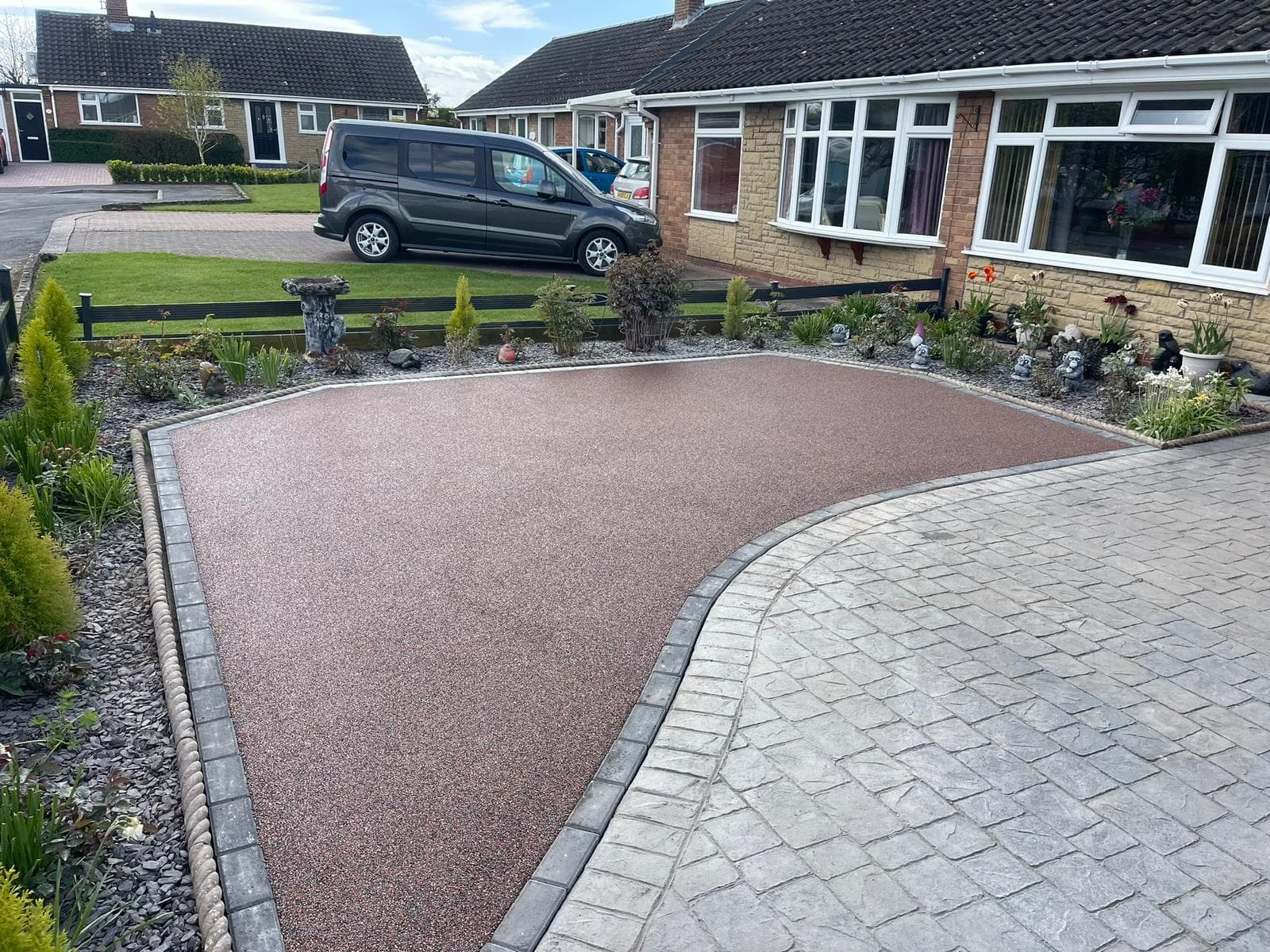
A resin bound driveway is low-maintenance, but it is not maintenance-free. With regular sweeping, gentle washing and quick action on stains, you can keep the surface looking smart, free-draining and safe underfoot for years. This guide covers practical resin bound driveway cleaning routines, seasonal care and the common mistakes to avoid.
Why does a resin bound driveway need regular care?
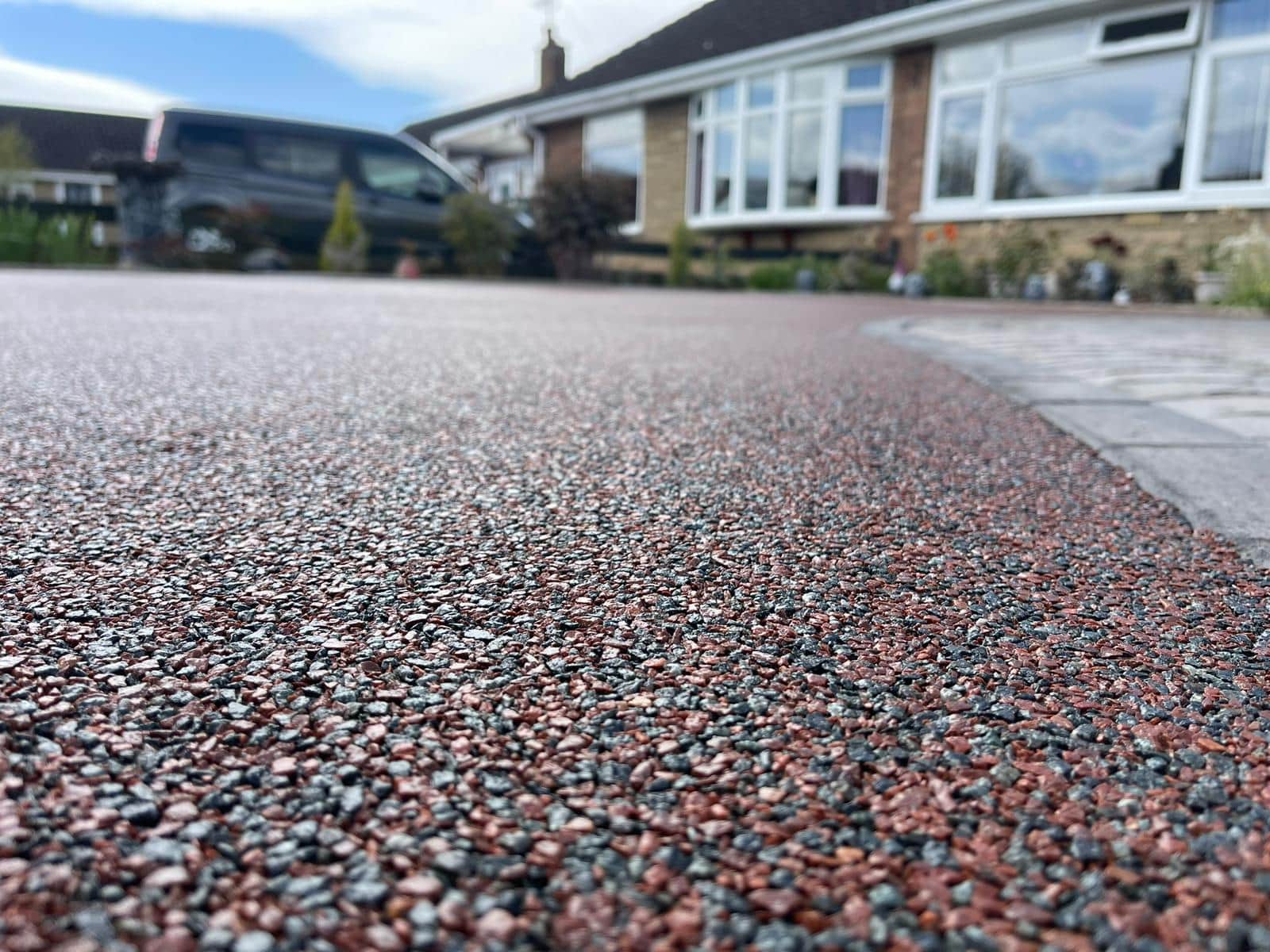
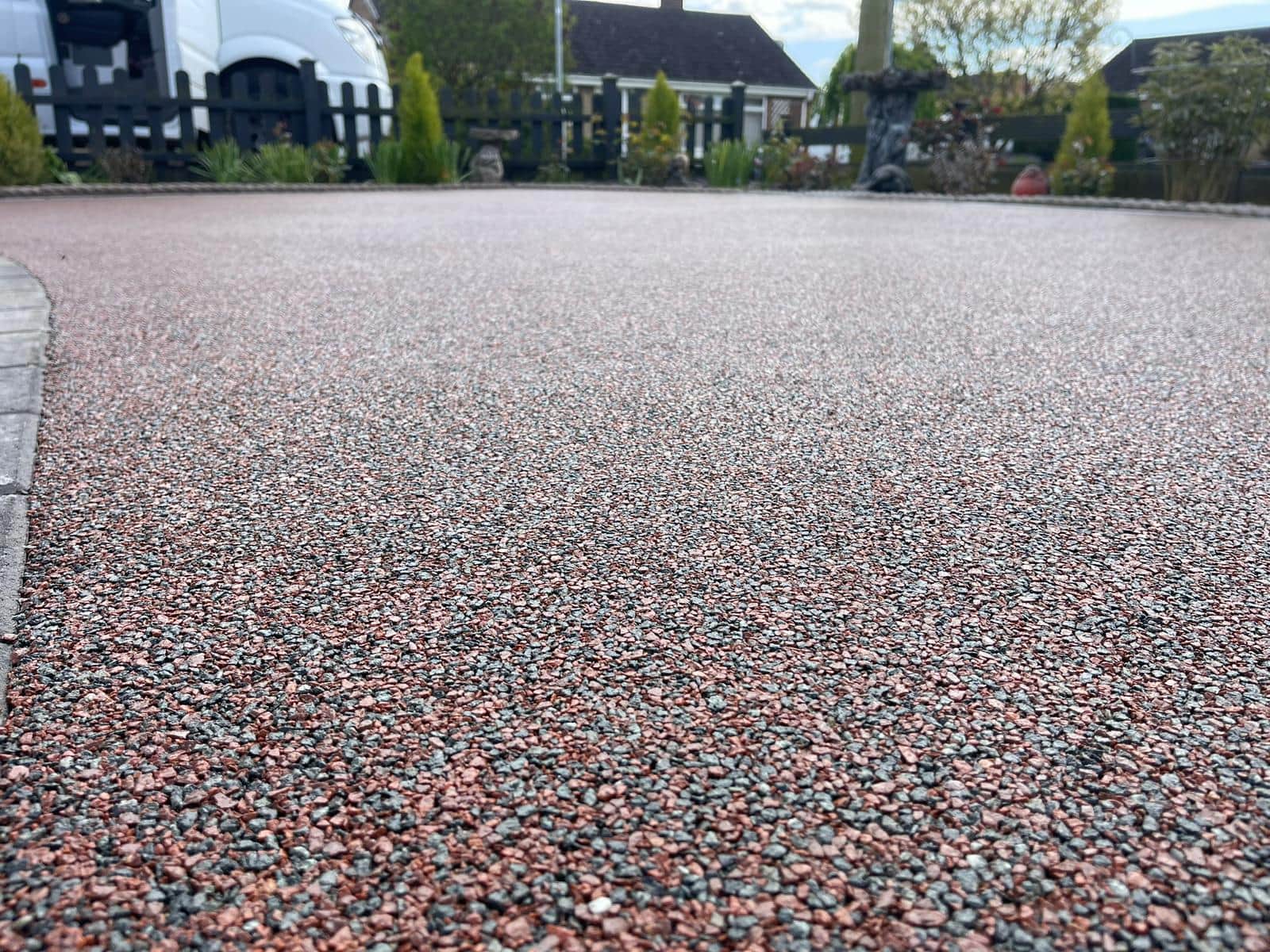
A resin bound surface needs regular care because dirt, leaves, moss, tyre marks and spillages can build up over time and affect both its appearance and performance. The open-textured finish is designed to let water pass through, so keeping the surface clear helps preserve drainage and reduces the chance of organic matter settling into the gaps.
Good resin driveway maintenance is mostly about consistency. A few simple habits carried out often are far better than leaving the driveway untouched and trying to rescue it once it looks tired. Routine care also gives you the chance to spot small issues early, such as weeds at the edges, blocked drainage channels or stains from oil and chemicals.
A simple weekly cleaning routine
For most homes, a light weekly clean is enough to stop everyday debris from becoming a problem. You do not need specialist equipment for normal upkeep, and harsh products should be avoided unless the installer or product manufacturer has confirmed they are suitable.
Sweep away loose debris
Use a stiff broom to remove leaves, soil, twigs and grit from the driveway. Pay attention to corners, borders, steps and areas near planting beds, as these are where damp organic matter tends to gather. If leaves are left to rot on the surface, they can encourage staining and create slippery patches in wet weather.
Sweeping also helps prevent fine particles from sitting in the texture of the resin bound surface. This is particularly useful after windy weather, gardening work or building projects nearby. If your driveway is close to trees, you may need to sweep more often in autumn.
Rinse with clean water
A garden hose is usually enough for light cleaning. Work from the highest point downwards, guiding dirt towards the drainage area rather than pushing it into corners. This helps clear dust and pollen without putting unnecessary pressure on the surface.
If the driveway looks dull, use warm water with a mild household detergent and scrub gently with a soft or medium-bristled brush. Rinse thoroughly afterwards, as detergent residue can attract dirt if it is allowed to dry on the surface.
Keep drainage points clear
Even though resin bound driveways are often chosen for their permeability, nearby drains, channels and borders still need attention. Remove silt, leaves and weeds from drainage channels so water can move away freely. If standing water appears in one area after rain, check for surface debris first before assuming there is a bigger issue.
How should you remove stains from resin bound surfaces?
Stains should be treated as soon as possible using the mildest suitable method first. Most everyday marks can be managed with warm soapy water, gentle brushing and a thorough rinse, while oil, grease and chemical spills may need faster action to reduce the risk of lasting discolouration.
Oil and grease marks
Oil from vehicles, bikes or machinery should be blotted rather than rubbed. Use absorbent material, such as paper towels or cloth, to lift as much of the spill as possible. Then clean the area with warm water and a mild degreasing detergent, scrubbing gently before rinsing well.
Avoid pouring solvents, petrol-based cleaners or strong chemicals onto the surface unless you have clear guidance that they are safe for the specific resin system. Aggressive products can damage the binder or alter the colour of the aggregate.
Tyre marks and scuffs
Tyre marks are often caused by turning wheels while stationary, especially in warm weather. A mild detergent, warm water and a firm brush will usually reduce them. For stubborn marks, repeat the process rather than using excessive force.
To prevent further scuffing, try to avoid dry steering on the driveway. Turning the wheel while the vehicle is moving slightly places less stress on the surface and helps protect the finish.
Organic stains from leaves and moss
Leaf tannins, algae and moss can leave marks if they are allowed to sit for long periods. Start with sweeping, then wash the area with warm soapy water. If growth returns regularly, improve airflow where possible by trimming overhanging plants and keeping borders tidy.
For persistent moss or algae, use a cleaning product recommended for resin bound surfaces and always follow the instructions carefully. Test a small, discreet area first if you are unsure.
Essential driveway cleaning tips for every season
Different weather brings different maintenance needs. A seasonal approach makes resin driveway maintenance easier because you can deal with likely problems before they become noticeable.
Spring and summer care
Warmer months often bring pollen, dust, plant growth and more frequent vehicle use. Clean the surface regularly and deal with weeds around the edges before roots become established. Resin bound surfaces are resistant to weed growth through the main surface when installed correctly, but wind-blown seeds can still settle in joints, cracks, borders or accumulated dirt.
In hot weather, be mindful of heavy objects with sharp feet, motorbike stands or skips, as concentrated pressure can mark some surfaces. Use boards or protective pads where needed.
Autumn and winter care
Autumn leaves should be cleared frequently, especially after heavy rain. Wet leaves can become slippery and may stain if left in place. During winter, remove mud and grit so the surface remains comfortable to walk on.
If ice forms, use a plastic shovel rather than a metal one to avoid scratching. De-icing salts may be suitable for some surfaces, but check installer guidance if available. After icy weather, rinse away residue when conditions improve.
Quick seasonal checklist
Sweep weekly, and more often during leaf fall.
Hose down the surface when dust, pollen or mud builds up.
Treat spills immediately, especially oil, fuel or grease.
Keep drains, channels and borders free from debris.
Remove weeds from edges before they spread.
Avoid sharp metal tools, harsh solvents and unnecessary high pressure.
Pressure washing without causing damage
Pressure washing can be useful for deeper resin bound driveway cleaning, but it should be done carefully. Too much pressure, the wrong nozzle or holding the lance too close can loosen aggregate or damage the surface finish.
Use a cautious technique
If you choose to pressure wash, use a fan-type spray rather than a narrow jet. Keep the lance moving and maintain a sensible distance from the surface. Work evenly across the driveway instead of concentrating on one stubborn patch for too long.
It is wise to start on a lower setting and test a small area first. If the surface begins to shed stones, change appearance or feel uneven, stop and seek professional advice.
Know when to call a professional
If the driveway is heavily stained, slippery, discoloured or affected by unknown substances, professional cleaning may be the safer option. A specialist can assess the surface and use appropriate equipment without relying on excessive pressure. This is particularly useful for older driveways or those with areas of wear.
Common maintenance mistakes to avoid
Even a strong, attractive surface can be spoiled by the wrong cleaning approach. Many problems come from over-cleaning, using harsh chemicals or ignoring small issues until they spread.
Products and tools to avoid
Strong acids, bleach or solvents unless specifically approved.
Wire brushes that may scratch or disturb the finish.
Metal shovels or scrapers on ice and compacted dirt.
Concentrated pressure washer jets used close to the surface.
Leaving oil, fuel, cement, paint or fertiliser spills untreated.
These mistakes can affect colour, texture and surface integrity. When in doubt, choose the gentlest method first and increase cleaning intensity only if needed.
Habits that protect the finish
Park carefully, avoid dragging heavy objects and clean up after gardening or DIY work. If building materials are delivered, use protective sheeting or boards to prevent staining and point loading. Small protective steps can save a great deal of effort later.
Conclusion
Learning How to Clean and Maintain a Resin Bound Driveway is mainly about steady, sensible care. Sweep often, rinse when needed, treat stains quickly and use pressure washing with caution. With these straightforward driveway cleaning tips, your resin bound surface can stay attractive, practical and welcoming with very little fuss.