A SUDS-compliant driveway is designed to let rainwater soak away, slow down, or be managed on your property rather than rushing straight into the road, drains, or nearby watercourses. For UK homeowners, it matters because it can reduce local flood risk, support planning compliance, and create a more practical front garden or parking area in wet weather.
What does SUDS mean for a driveway?
SUDS stands for Sustainable Drainage Systems. In simple terms, it is an approach to managing surface water in a way that behaves more like natural ground: rain falls, is filtered, stored, reused where possible, or gradually allowed to drain away. Government guidance describes SuDS as a way to manage surface water by mimicking natural processes, with benefits such as reducing flood risk, filtering pollutants, supporting biodiversity, and improving local environments. (gov.uk)
For a driveway, that usually means avoiding a sealed surface that sends water straight to the pavement or highway drain. Instead, the driveway is built with a permeable surface, a suitable sub-base, and somewhere for the water to go safely. This is why SUDS-compliant driveways (Sustainable Drainage Systems) in the UK are increasingly discussed when homeowners replace tired tarmac, pave over a front garden, or add off-street parking.
The key features of a SUDS-compliant driveway
A driveway is not automatically compliant just because the top surface looks “porous”. The whole build-up matters, from the paving choice to the foundation beneath it and the route rainwater takes during heavy showers.
A permeable or water-managed surface
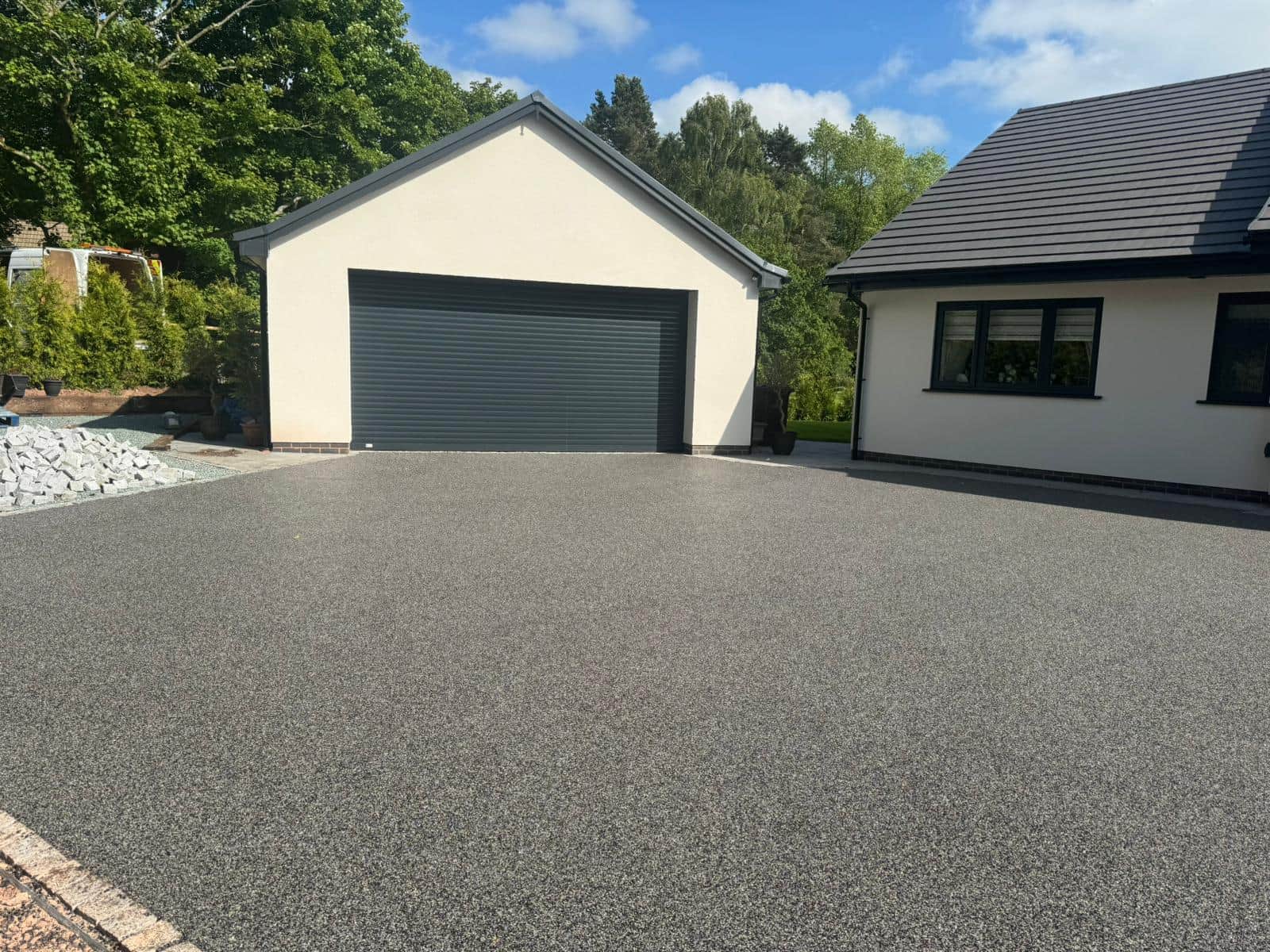
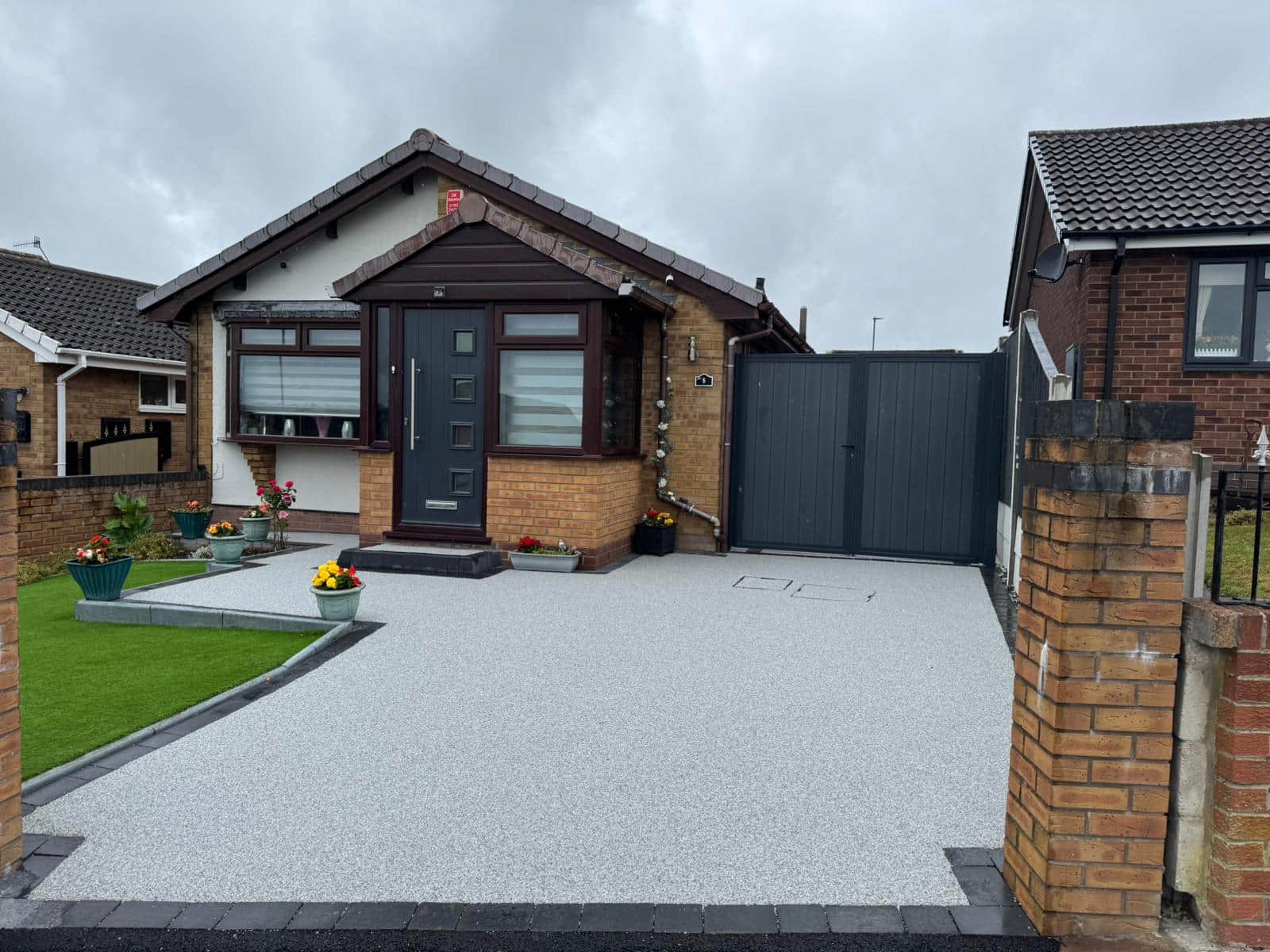
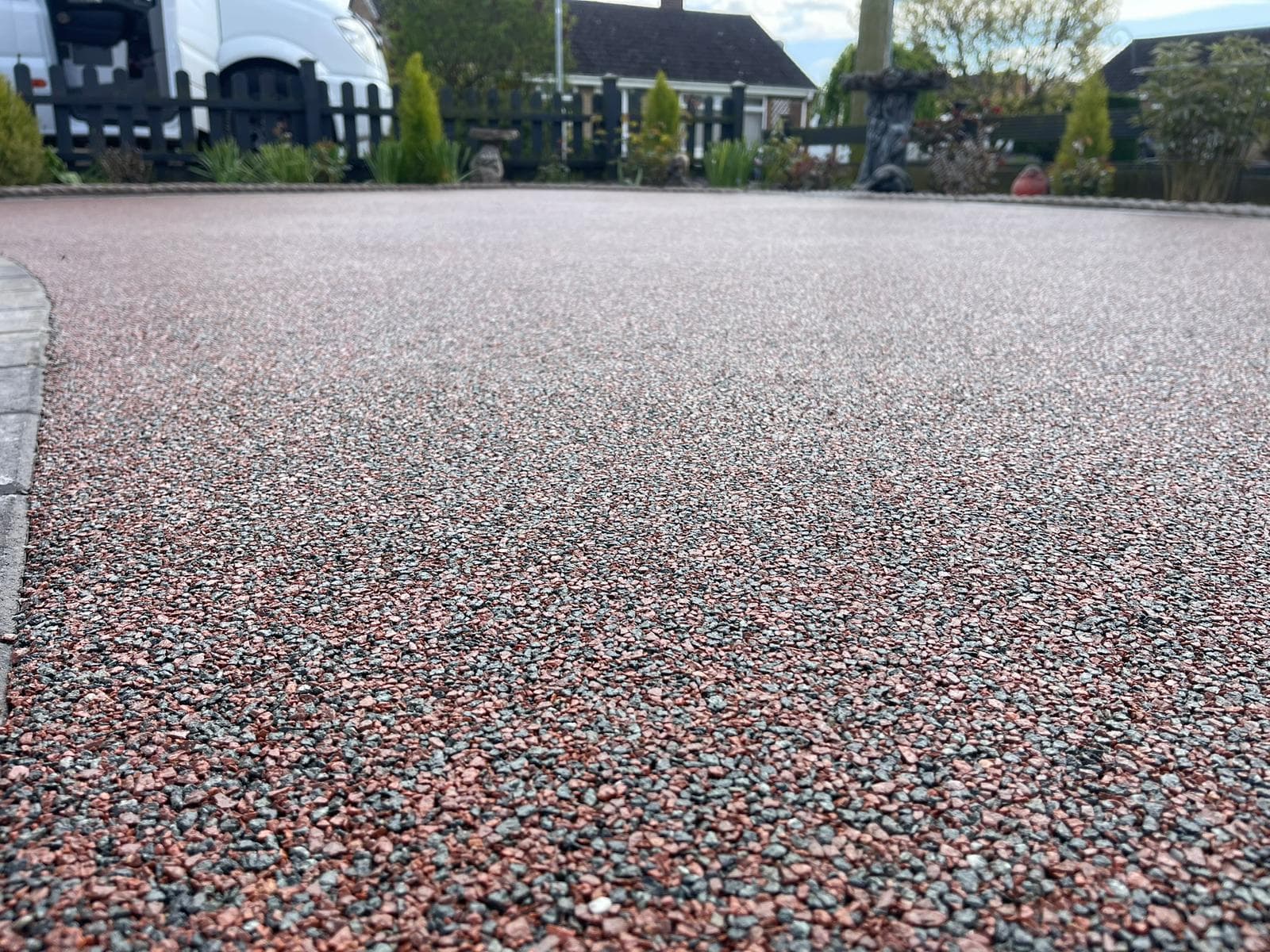
Common compliant approaches include gravel, permeable block paving, porous asphalt, resin-bound surfacing installed on a permeable base, or another system that allows water through. In some cases, an impermeable surface may still be acceptable if water is directed to a lawn, border, rain garden, or soakaway within the property rather than draining onto the road.
A suitable sub-base
Below the visible surface, the driveway normally needs an open-graded aggregate sub-base that temporarily stores rainfall and allows it to infiltrate, disperse, or move to a controlled outlet. If the wrong compacted material is used underneath, even a permeable-looking surface can fail to drain properly.
Drainage that works with the site
Soil type, slope, groundwater level, existing drains, trees, utilities, and neighbouring properties all affect the design. A good solution should keep water within your boundary where practicable and avoid creating a new problem for the pavement, highway, cellar, garage, or next-door garden.
Planning permission and Permitted Development in the UK
In England, government guidance says you do not normally need planning permission for a new or replacement driveway of any size if it uses permeable surfacing, such as gravel, permeable concrete block paving or porous asphalt, or if rainwater is directed to a lawn or border to drain naturally. If you cover more than five square metres of front garden with a traditional impermeable surface and do not provide for water to drain to a permeable area, planning permission is needed. (gov.uk)
That rule is closely linked to Permitted Development rights for householders. In practice, it means many front driveways can be installed without a planning application, provided the surface is permeable or runoff is dealt with properly within the site.
However, always check your local authority’s guidance before work starts. Councils may have extra considerations for conservation areas, listed buildings, flats, shared access, dropped kerbs, highway safety, tree protection, or local flood-risk zones. Planning rules also differ across the UK, so homeowners in Scotland, Wales, and Northern Ireland should check the relevant national and council guidance rather than assuming the English rule applies unchanged.
Benefits for homeowners and communities
SUDS-compliant driveways are not just about ticking a planning box. They can make everyday life easier while helping the wider area cope with heavier rainfall.
Key benefits include:
Reduced surface water runoff: More rain is managed where it falls, easing pressure on drains during downpours.
Lower flood contribution: One driveway may seem small, but many impermeable front gardens in the same street can add up.
Cleaner runoff: Permeable systems can help trap silt and some pollutants before water reaches drains or watercourses.
Better kerb appeal: Gravel, permeable blocks, and resin-bound finishes can look smart while keeping drainage in mind.
Planning confidence: Choosing a permeable or water-managed design can help avoid unnecessary planning complications.
More resilient front gardens: Combining parking with planting, borders, or rain gardens can soften the look and support urban cooling and biodiversity.
Materials and design options
There is no single “best” surface for every home. The right choice depends on budget, style, traffic, gradient, maintenance expectations, and ground conditions.
Gravel driveways
Gravel is often one of the simplest permeable options. It lets rain pass through, suits many traditional and rural properties, and can be refreshed relatively easily. Edging and a stabilisation grid can help reduce spreading, rutting, and loose stones migrating onto the pavement.
Permeable block paving
Permeable block paving looks similar to standard block paving but uses wider joints filled with small aggregate so water can pass through. It is popular for neat suburban driveways because individual blocks can often be lifted for repairs or access below.
Porous asphalt and permeable concrete
These materials can suit larger or more functional driveways where a smooth finish is preferred. The installation quality is crucial, as the surface and sub-base must work together to keep water moving through the system.
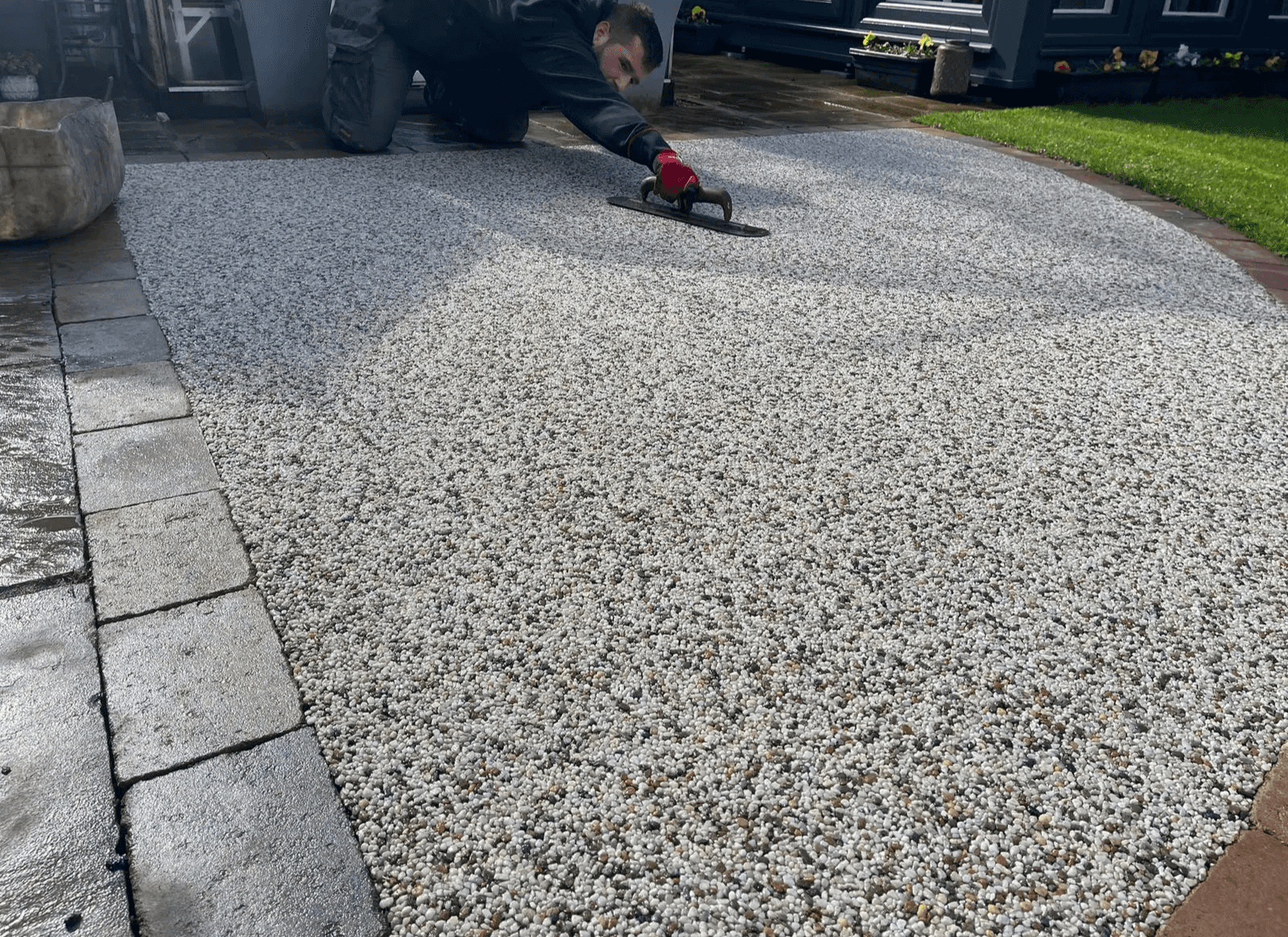
Resin-bound surfacing
Resin-bound surfaces can be permeable when installed correctly over a suitable porous base. Be careful not to confuse this with resin-bonded surfacing, which is generally a different system and may not offer the same drainage performance.
Maintenance requirements for long-term performance
A SUDS-compliant driveway still needs care. Leaves, soil, moss, tyre debris, and fine silt can clog gaps and reduce permeability over time, especially under trees or near planted borders.
A practical maintenance routine includes:
Sweep leaves and loose debris regularly, particularly in autumn.
Keep joints, gravel areas, channels, and drains clear of silt.
Remove weeds before roots disturb the surface.
Avoid washing cement, plaster, oil, or heavy sediment into the driveway.
Top up gravel or jointing aggregate when needed.
Check after heavy rain that water is soaking away rather than ponding or running onto the highway.
If you notice standing water that was not there before, do not ignore it. It may indicate clogging, settlement, poor falls, or a sub-base problem that needs attention.
Choosing the right UK installer
The installer’s understanding of drainage is just as important as the finish of the surface. Ask how the proposed driveway will manage rainfall, not just what it will look like.
Before appointing someone, check:
evidence of previous permeable driveway projects;
knowledge of local planning and council expectations;
whether they assess slope, soil, water routes, and existing drainage;
clear written specifications for surface, sub-base, edging, and drainage details;
insurance, guarantees, and trade body memberships where relevant;
local reviews, references, and photos of completed work.
Be cautious if a quote is vague about the sub-base or suggests simply laying a new surface over an old impermeable driveway. For suds-compliant driveways (sustainable drainage systems) in the uk, the hidden layers are often what determine whether the system performs properly.
Conclusion
A SUDS-compliant driveway helps manage rainwater responsibly while giving homeowners a practical, attractive place to park. The essentials are straightforward: choose a permeable or properly drained design, build it with the right sub-base, consider planning rules, and maintain it so water can keep flowing. If you are replacing or creating a front driveway, taking drainage seriously from the start can save hassle later and support a more flood-resilient neighbourhood.