Winter does not automatically rule out driveway installation, yet cold, wet or icy conditions can affect excavation, compaction, curing and the final finish. With the right preparation and a realistic plan, some driveways can be installed successfully during the colder months, while others are better delayed until conditions improve.
Can a driveway be laid in winter safely?
Yes, a driveway can be laid in winter safely when the temperature, drainage and sub-base conditions are suitable for the chosen surface. The key is not simply whether the calendar says “winter”, but whether the ground is stable, unfrozen and dry enough for proper preparation. A reputable installer will assess the site first, because rushing a driveway onto saturated or frozen ground can lead to movement, cracks, dips and poor long-term performance.
Winter work also needs more flexibility than summer work. Rain, frost and sudden cold snaps can delay excavation or prevent materials from curing properly. That does not mean every project has to stop, but it does mean the schedule should be treated as weather-dependent rather than fixed.
How winter affects driveway installation
Driveway installation winter projects face three main challenges: temperature, moisture and daylight. Each one can influence how well the surface is laid and how long it lasts.
Cold weather can make some materials harder to work with. Concrete needs careful curing, asphalt loses heat quickly, and resin-bound systems usually require suitable temperatures and dry conditions. If materials cool too quickly or cure unevenly, the finished driveway may be weaker than expected.
Moisture is just as important. Winter rain can leave the sub-base wet and unstable, especially in clay-heavy ground or areas with poor drainage. A driveway is only as good as the layers beneath it, so installers need to ensure the base is compacted correctly before the top surface is added.
Shorter daylight hours can also affect planning. Less working time in the day may mean a project takes longer, especially if there is excavation, edging, drainage or a large surface area involved. Good planning matters more in winter because there is less room for error.
The best driveway materials for colder months
Not all driveway materials respond to winter conditions in the same way. Some offer more flexibility, while others need a narrow weather window.
Asphalt and tarmac
Asphalt can be installed in winter, but it is sensitive to temperature. It needs to be laid and compacted while hot, so very cold air or long transport times can make the material cool too quickly. If it cools before proper compaction, the surface may not bind as well as it should.
For this reason, asphalt work in winter is usually best carried out on milder, dry days. Smaller repairs may be easier to manage than a large full driveway installation, although the exact suitability depends on the site and the contractor’s equipment.
Concrete
Concrete can be laid in winter, but it requires particular care. Low temperatures slow curing, while frost can damage concrete before it has gained enough strength. If water within the mix freezes too early, the final surface can become weak, flaky or uneven.
Professional installers may use cold-weather techniques, such as adjusting the mix, protecting the surface and allowing extra curing time. However, if freezing temperatures are forecast, it is often better to postpone concrete work rather than risk a poor result.
Block paving
Block paving can be a more forgiving option in some winter conditions because it does not rely on the same curing process as concrete. The quality still depends on proper excavation, sub-base installation and compaction, so frozen or waterlogged ground remains a problem.
If the ground is firm and drainage is well managed, block paving may be suitable during winter. It also has the benefit of being repairable: individual blocks can be lifted and replaced if future movement occurs.
Gravel
Gravel is often one of the more practical winter driveway options, particularly where a quick, usable surface is needed. It still needs a prepared sub-base and suitable edging, but it is less dependent on curing temperatures. Drainage should be considered carefully, as poorly contained gravel can migrate, rut or become difficult to manage in wet weather.
Gravel can also provide helpful traction in icy conditions, although it is not a complete substitute for proper winter maintenance.
Resin-bound surfaces
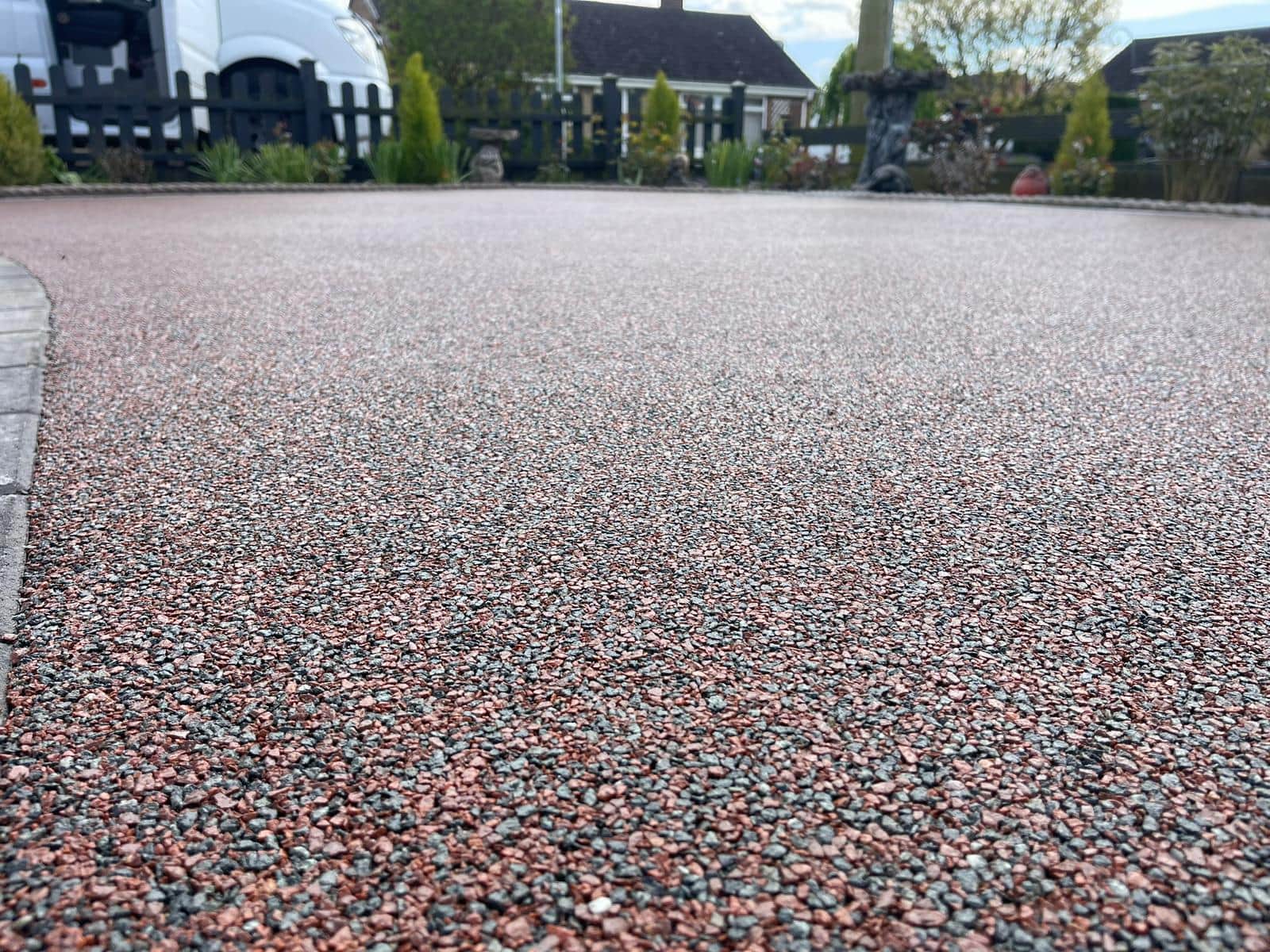
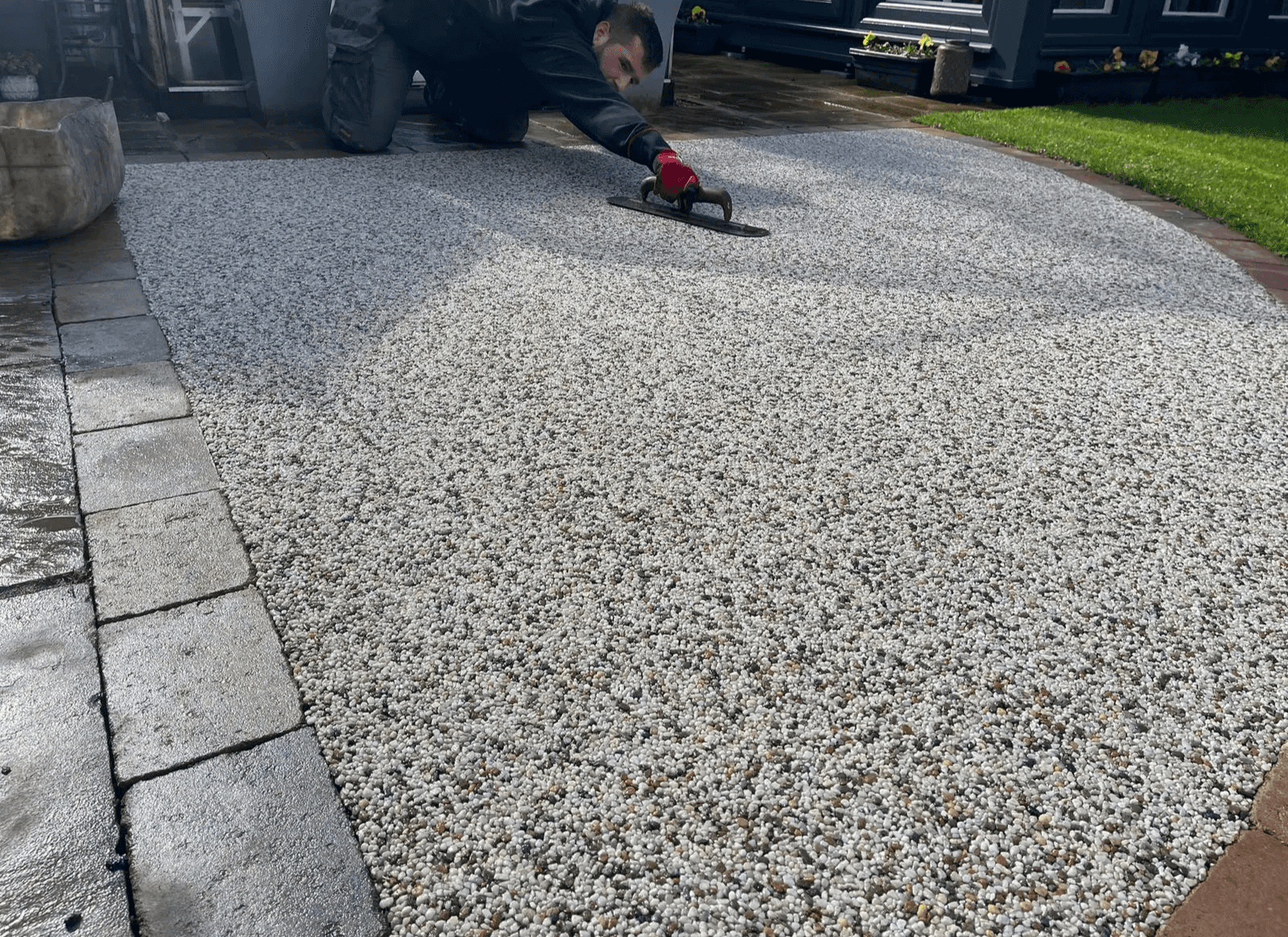
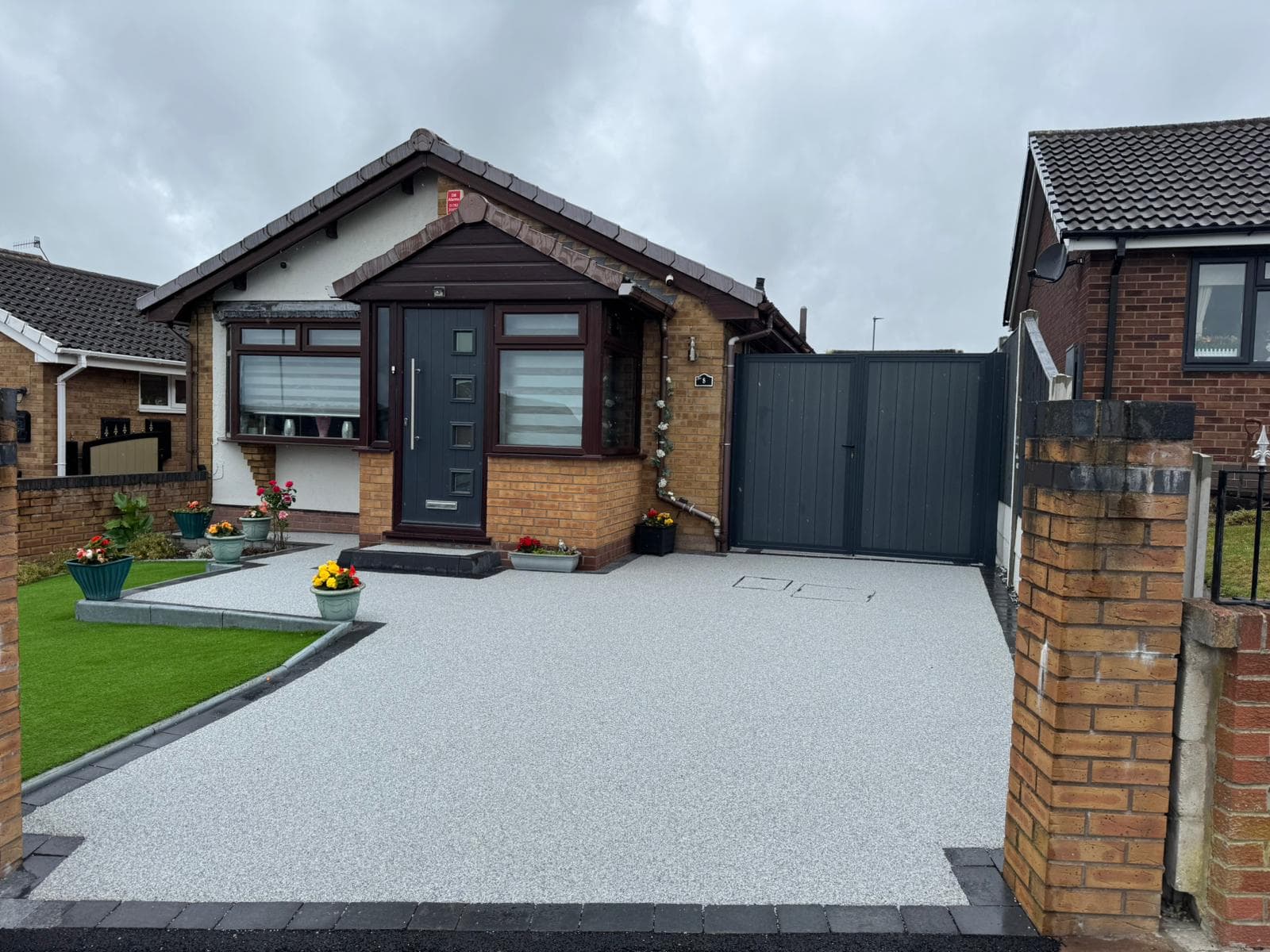
Resin-bound driveways are attractive and permeable when installed correctly, but they usually require dry weather and suitable temperatures. Cold or damp conditions can interfere with the resin’s curing process, so winter installation may be limited to clear, mild days.
If you are considering resin, it is worth being patient. A delayed installation is usually better than a surface that fails to cure properly.
Signs the weather is not suitable
Even if a contractor offers driveway installation winter services, some conditions are simply not ideal. Delaying work can protect your budget and prevent avoidable defects.
Watch for these warning signs:
Frozen ground: excavation and compaction are unreliable when the ground is frozen.
Standing water: puddles indicate drainage or saturation problems that need resolving first.
Heavy rain forecast: wet weather can weaken the base and disrupt installation.
Imminent frost: fresh concrete, resin and some base layers may be affected by freezing temperatures.
Soft or pumping ground: if the ground moves underfoot or machinery, it may not support a stable driveway.
Poor visibility or very short working windows: rushed work increases the chance of mistakes.
A good installer should be willing to pause or reschedule rather than force the project through unsuitable conditions.
Why the sub-base matters most
The visible surface gets most of the attention, but the sub-base does the heavy lifting. It distributes vehicle weight, supports the surface and helps prevent sinking or cracking. In winter, this layer becomes even more important because wet or frozen ground can hide weaknesses.
A proper sub-base usually involves excavation to the required depth, removal of soft material, installation of suitable aggregate and thorough compaction. Drainage may also be needed to move water away from the driveway and prevent pooling. If these steps are skipped or rushed, even an expensive surface can fail.
Winter installation should therefore begin with ground assessment, not surface selection. If the base cannot be prepared correctly, the project should wait.
Practical steps before booking winter driveway work
A little preparation can reduce delays and help you avoid a disappointing finish. Before agreeing to a start date, focus on the details that influence performance.
Questions to ask your installer
Use these questions to understand whether winter installation is realistic for your property:
What temperatures does this material need? Different surfaces have different installation limits.
How will you protect the driveway if frost or rain is forecast? The answer should be specific, not vague.
What happens if the weather changes? A sensible contractor will have a rescheduling plan.
How will drainage be handled? Winter often reveals water problems that summer hides.
What sub-base depth and materials will be used? The base should match the driveway type and expected use.
When can the driveway be used after installation? Curing and settlement times may be longer in colder weather.
Clear answers show that the installer understands both the material and the season.
What you can do as the homeowner
Before work begins, clear vehicles, bins, pots and garden furniture from the area. Make sure the contractor has access to water, power or parking if needed. It is also sensible to discuss where excavated material, deliveries and machinery will go, particularly if pavements or shared access routes are involved.
If the project is close to a boundary, entrance or public path, think about temporary access and safety. Winter mud, darkness and slippery surfaces can make a worksite harder to navigate, so simple planning helps protect everyone.
Icy driveway solutions after installation
Even a well-built driveway needs winter care. Icy driveway solutions should improve safety without damaging the surface. The right approach depends on the material, age and finish of the driveway.
Useful options include:
Regular sweeping: removing leaves and debris reduces trapped moisture and slippery patches.
Good drainage maintenance: keep channels, gullies and permeable areas clear so water does not freeze on the surface.
Grit or sand: these improve traction and are often gentler than harsh chemical treatments.
Careful de-icing: check whether a de-icer is suitable for your driveway material before using it.
Prompt snow clearance: removing snow before it compacts can reduce ice formation.
Anti-slip design choices: textured finishes, sensible gradients and well-placed drainage can help from the start.
Avoid using metal tools aggressively on decorative surfaces, resin or block paving, as they may scratch or dislodge the finish. If the driveway is new, follow the installer’s care guidance closely, especially during the first winter.
Timing your project sensibly
The best time to install a driveway is when the ground can be prepared properly and the chosen material can be laid within its suitable conditions. Sometimes that will be winter; sometimes it will not. The important thing is to avoid treating the project as urgent unless access or safety makes it necessary.
If your existing driveway is unsafe, temporary repairs or traction improvements may help until full installation is viable. If the surface is simply tired or unattractive, waiting for a better weather window may deliver a stronger result. A good contractor should help you weigh urgency against long-term quality.
Planning ahead also gives you time to consider layout, drainage, edging, kerbs, lighting and planting. A driveway affects both everyday access and kerb appeal, so decisions made in a rush can be expensive to change later.
Conclusion: winter driveway work is possible, but conditions come first
You can lay a driveway in winter, provided the material, temperature, ground and drainage are suitable. Asphalt, concrete, block paving, gravel and resin all respond differently to cold and wet weather, so there is no single rule that fits every project. The safest approach is to assess the site, choose the right surface, allow flexibility in the schedule and avoid installation on frozen or saturated ground.
For homeowners considering driveway installation winter projects, patience often pays off. If the conditions are right, work can proceed confidently; if they are not, a short delay may protect the driveway for years to come. Combine careful installation with sensible icy driveway solutions, and your new surface will be better prepared for whatever winter brings.