A good resin bound driveway starts with the materials, not just the finish you see on the surface. The resin, stone, base, edging and drainage details all affect how the driveway looks, feels and performs over time. Choosing carefully helps create a surface that is attractive, practical and suited to everyday use.
What materials make up a resin bound driveway?
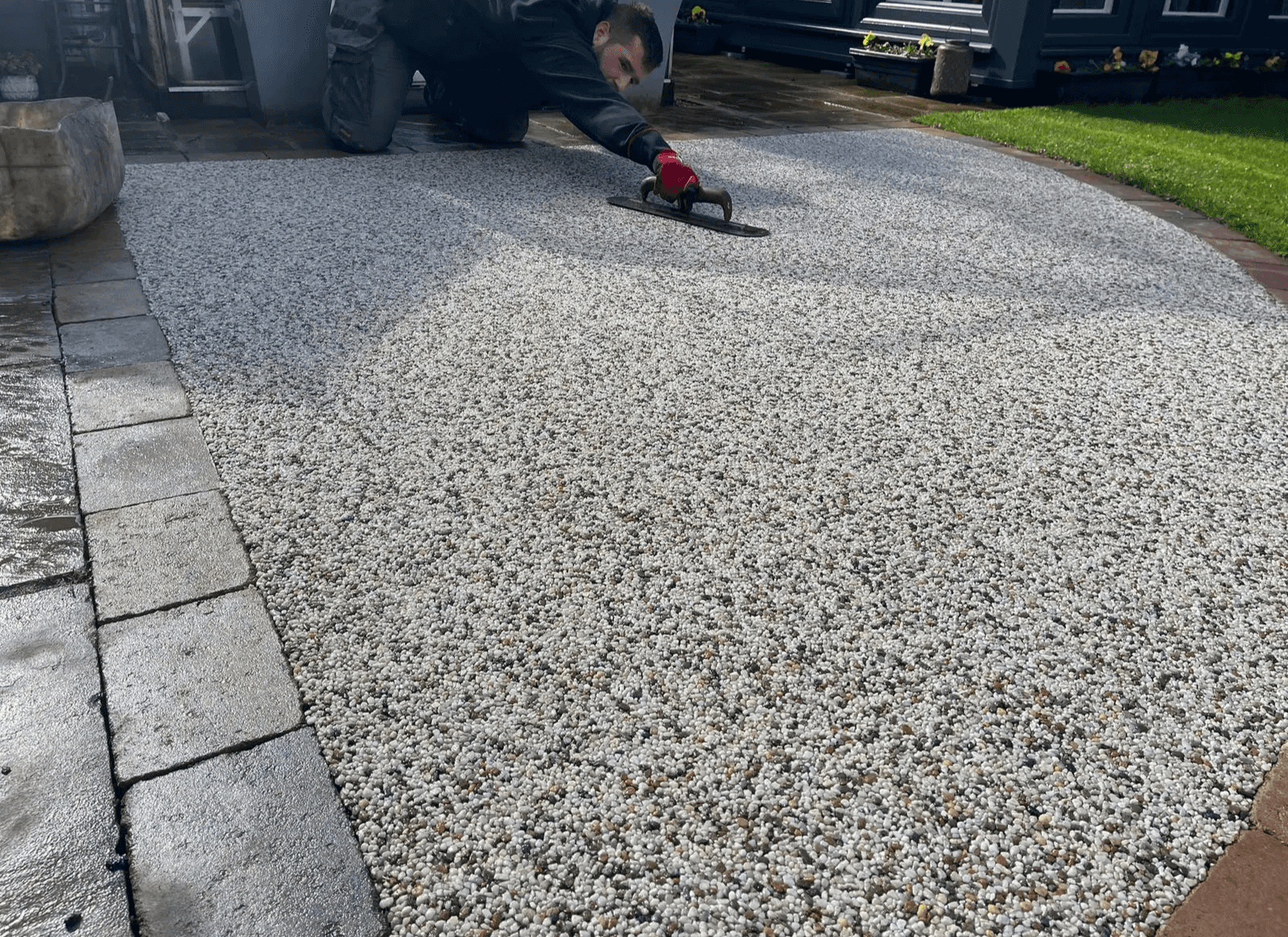
A resin bound driveway is made from dried decorative stone mixed with a specialist resin, then trowelled onto a suitable base to form a smooth, porous surface. The main components are resin bound aggregates, resin, a prepared sub-base or base layer, edging, and sometimes additional primers or binders depending on the surface underneath. Each part has a job: the stone provides texture and appearance, the resin locks it together, and the base supports the whole system.
The phrase “resin driveway materials” can sound simple, but it covers several decisions. You are not only choosing a colour blend. You are also choosing stone size, resin type, surface texture, permeability, edge restraint and whether the existing base is suitable.
In most cases, the best result comes from treating the driveway as a complete build-up rather than a decorative layer added at the end. Even high-quality stone and resin can disappoint if the base is weak, damp, uneven or poorly drained.
The role of resin bound aggregates
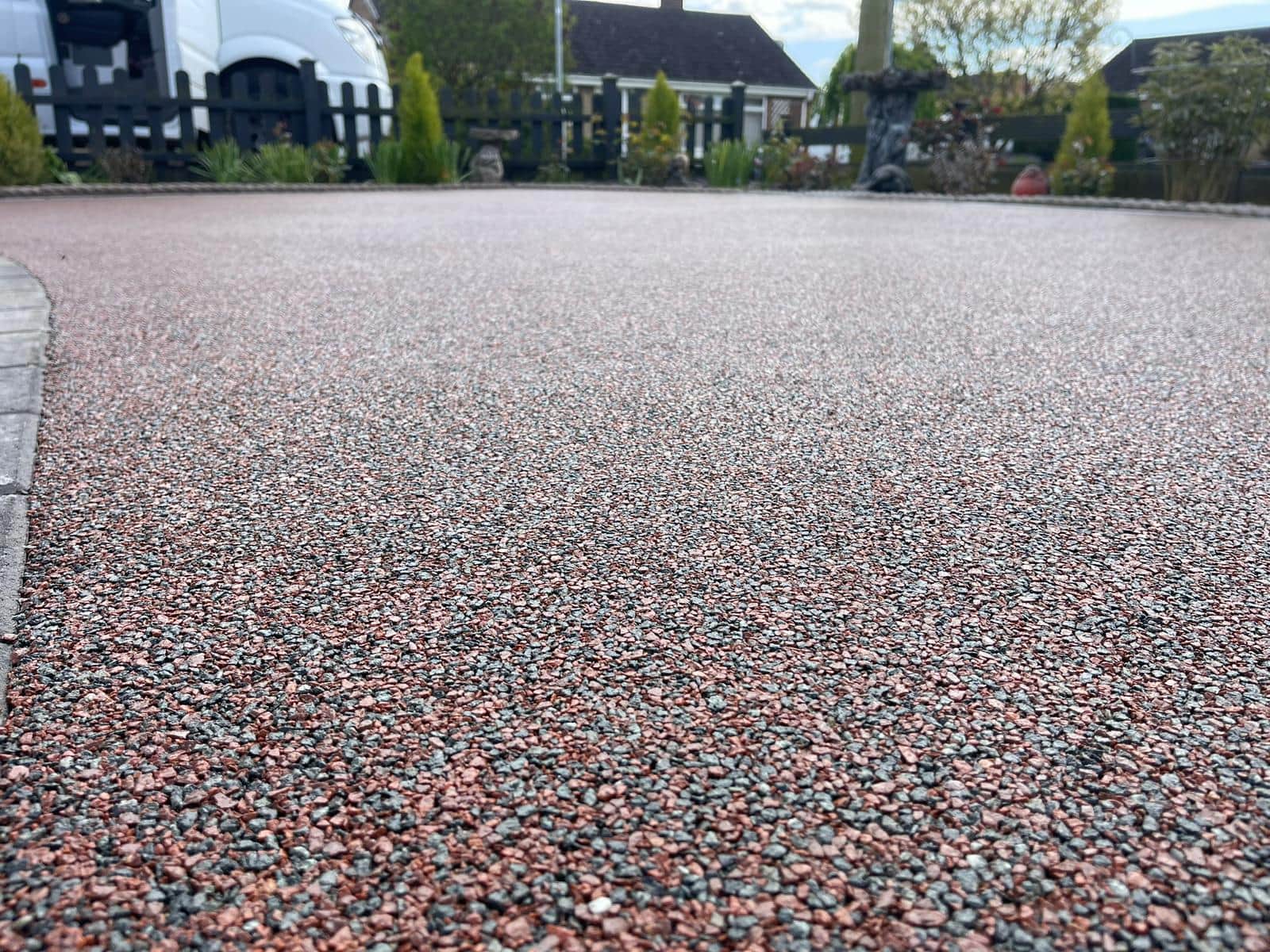
The aggregate is the visible part of the driveway, so it has the biggest influence on the final appearance. Resin bound aggregates are usually small, clean, dry stones selected for colour, shape and compatibility with resin systems. They may be natural gravel, crushed stone, marble, granite or blended decorative aggregates.
Stone shape matters. Rounded aggregates can create a softer look, while angular stones tend to interlock more firmly and give a sharper, more textured appearance. The choice depends on the style you want and the practical demands of the surface.
Colour also deserves more thought than many people give it. A pale blend can make a driveway feel open and bright, but it may show dirt, leaf tannins or tyre marks more readily. Darker aggregates can feel smart and grounded, yet may show dust or light debris. Mixed blends are often forgiving because they contain several tones, which helps everyday marks blend in.
When comparing resin bound driveway materials, it helps to look at physical samples in natural light. Indoor lighting can change how cream, silver, amber, grey and black stones appear. A blend that looks subtle under a showroom light may look warmer, cooler or more speckled outside.
Choosing between marble, granite and gravel effects
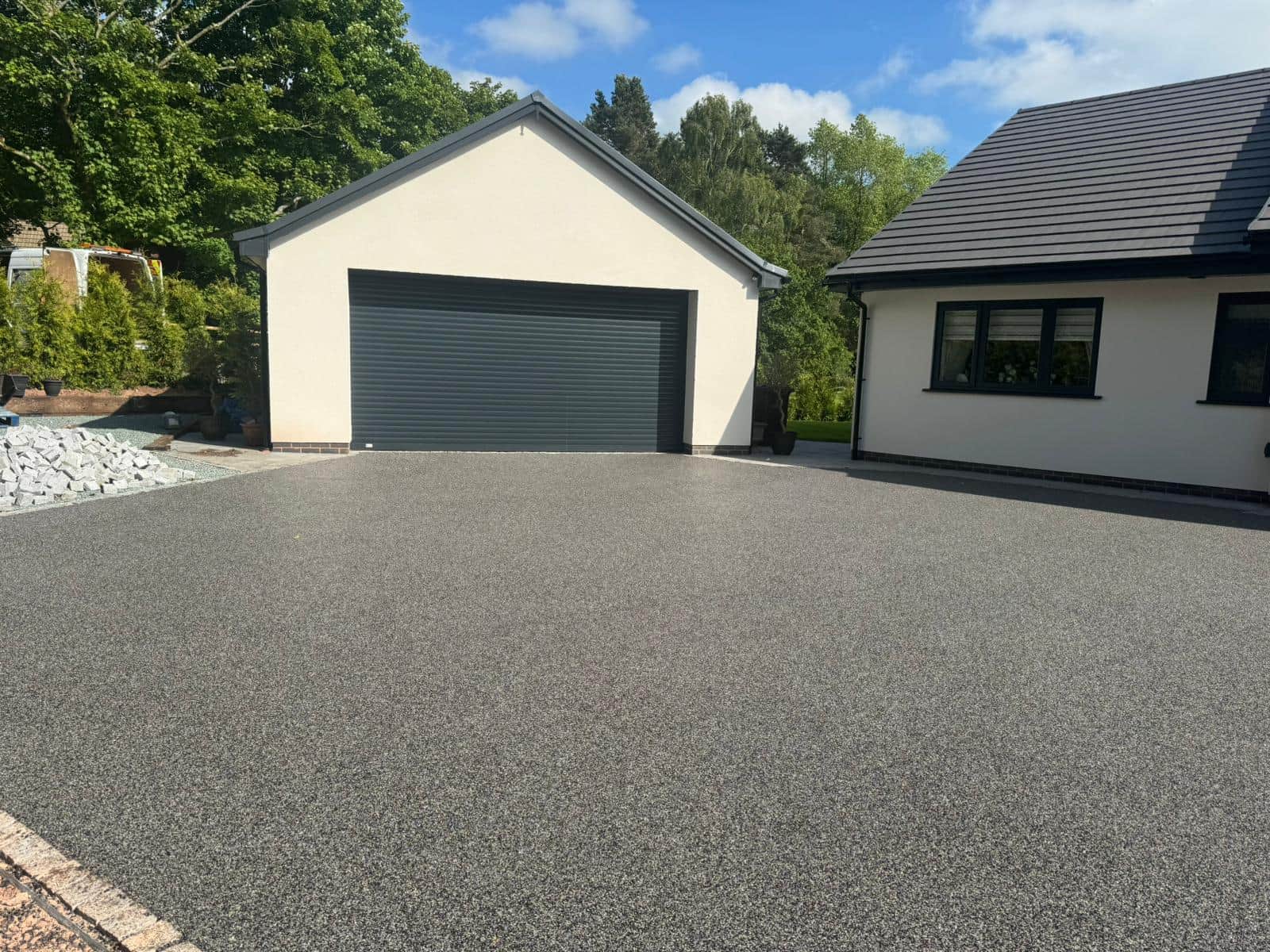
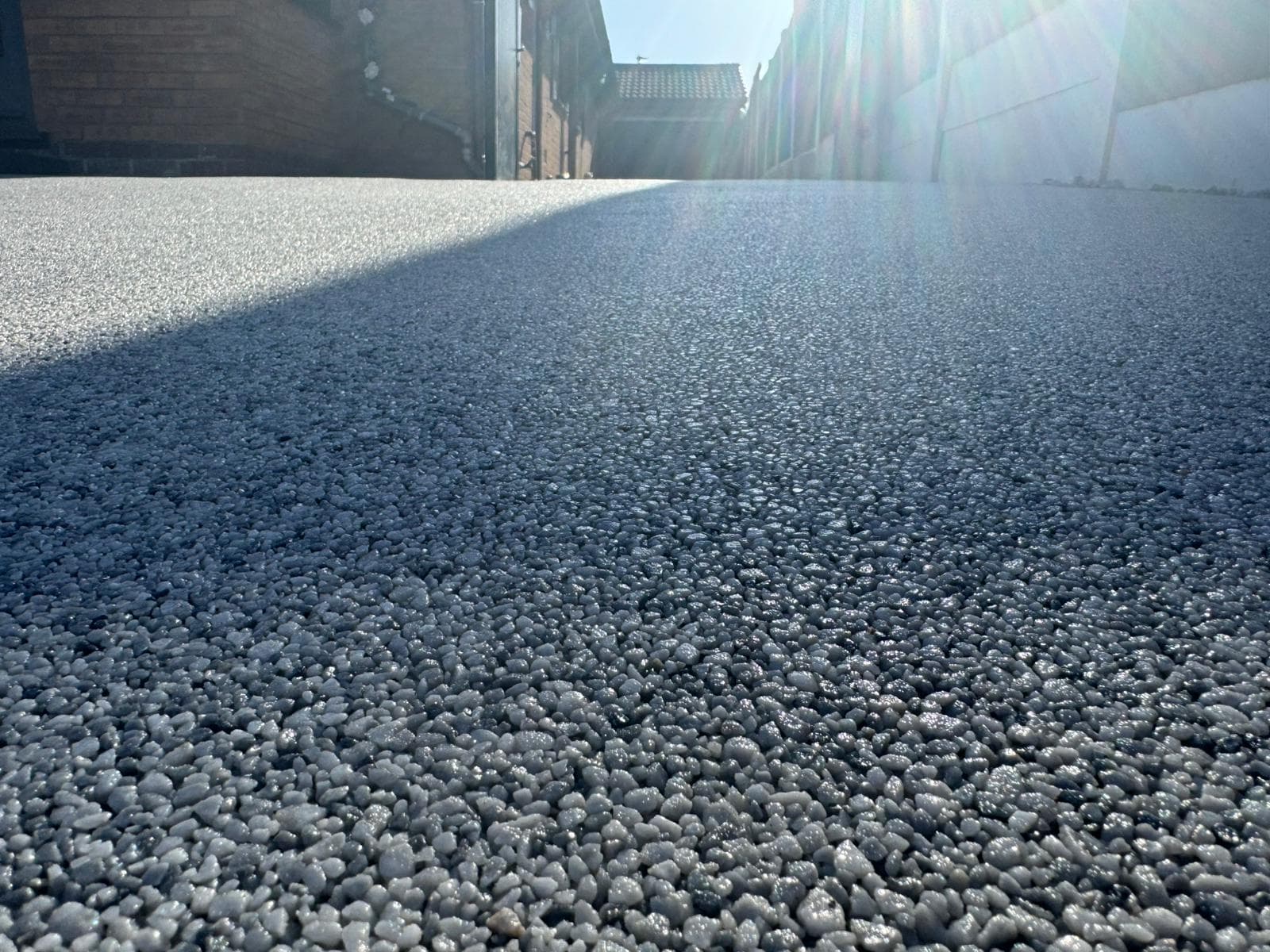
Marble and granite effects are popular because they can give a driveway a clean, modern finish without looking flat. Marble-style aggregates often bring lighter tones, soft veining and a refined appearance. Granite-style aggregates are usually associated with speckled greys, silvers, blacks and crisp contrasts.
A marble granite effect can work particularly well where the surrounding property has stonework, rendered walls, monochrome paving or contemporary landscaping. The mixed mineral look breaks up the surface and prevents it from appearing like a single block of colour.
If you are planning a larger area, it is worth being cautious with very bright or very high-contrast blends. What looks striking in a small sample can feel busy over a wide driveway. On the other hand, a very plain blend can look understated in a good way, especially next to strong architectural features.
You may also see product descriptions that include project dimensions, such as “resin bound driveway materials 10x50 feet marble granite effect”. Treat this as a prompt to think about coverage, design and scale, not just colour. A long, narrow driveway may benefit from a balanced blend that does not exaggerate its shape, while a broad frontage can often carry more variation.
Does resin type really matter?
Yes, resin type matters because it affects the driveway’s colour stability, bonding strength and suitability for outdoor exposure. The resin is the binder that holds the aggregate together, so choosing it poorly can undermine even an attractive stone blend. A suitable resin should be compatible with the selected aggregate and intended use.
There are different resin formulations, and some are designed to resist yellowing better than others. This can be especially important with pale aggregates, where any discolouration is more noticeable. If you prefer a cream, white, silver or light marble effect, it is sensible to ask whether the resin is recommended for lighter decorative stone.
Resin quality also affects workability during installation. Installers need enough time to mix, spread and finish the material correctly, but the resin must also cure as intended. Weather, temperature and moisture can all influence this process, which is why installation guidance should be followed rather than guessed.
For an everyday homeowner, the practical point is simple: do not choose aggregate in isolation. Ask what resin will be used with it and whether the whole system is suitable for the driveway’s expected use.
The base is just as important as the surface
A resin bound surface is only as reliable as the layer beneath it. The finished material is comparatively thin when compared with the overall driveway structure, so it needs firm, stable support. If the base moves, cracks, holds water or breaks down, the decorative surface can suffer too.
A suitable base will usually need to be level, sound and properly prepared. It should allow water to drain as required by the design. Where permeability is important, the base build-up must support that aim, not block it.
Common base considerations include:
Strength: The driveway needs to cope with regular foot traffic and vehicle movement.
Stability: Loose or crumbling areas should be addressed before the resin bound layer is installed.
Drainage: Water should have somewhere to go rather than sitting beneath or beside the surface.
Cleanliness: Dust, oil, moss and debris can interfere with bonding.
Levels: The finished driveway should meet thresholds, paths and drains neatly.
It can be tempting to focus only on the top layer because that is what everyone sees. In practice, base preparation is often where long-term performance is won or lost.
Aggregate size and texture shape the finish
Aggregate size affects both appearance and feel underfoot. Smaller stones can create a smoother finish, while larger stones give more texture and visual depth. Many resin bound systems use carefully graded aggregates so the particles pack together consistently.
Texture is not just about comfort. It can influence grip, cleaning and how the surface catches light. A very smooth-looking blend may suit a crisp modern property, while a slightly more textured stone can look natural and help disguise day-to-day dirt.
The right choice also depends on how the driveway will be used. A decorative front path may have different priorities from a frequently used parking area. If pushchairs, wheelie bins, bicycles or mobility aids are part of daily life, surface smoothness may matter more than a dramatic stone texture.
When viewing samples, try not to judge only by colour. Run your hand across the sample, look at it from different angles, and consider how it would feel across the full driveway.
Practical checklist before choosing materials
Before settling on a blend, it helps to slow the decision down. A resin bound driveway is a noticeable part of a property, and small material choices can change the overall effect.
Use this checklist as a practical starting point:
Look at the property first. Note the colours of brick, render, roof tiles, paving, walls and planting.
Decide how bold the driveway should be. Some driveways are designed to stand out, while others should quietly complement the house.
Check the base condition. A beautiful surface will not solve structural or drainage problems underneath.
Think about daily use. Consider cars, turning areas, bins, bikes, deliveries and foot traffic.
Compare samples outside. Natural daylight gives a more realistic impression than indoor lighting.
Ask about resin compatibility. Pale stones, marble effects and mixed aggregates may need particular care.
Consider maintenance. Choose a colour and texture you can realistically keep looking good.
Clarify coverage and waste. Material quantities should be calculated carefully for the actual area and depth.
This sort of checklist does not replace professional specification, but it does help you ask better questions and avoid choosing purely on appearance.
Drainage and permeability should guide the specification
One reason resin bound surfaces are widely used is that they can be porous when installed as part of a suitable permeable system. This means rainwater can pass through the surface rather than simply running across it. However, permeability depends on the full build-up, not only the decorative layer.
If water passes through the resin bound surface but then meets a non-permeable or poorly drained base, the design may not perform as expected. That is why drainage should be discussed early. It may affect excavation, base materials, falls, edging and connections to existing drainage.
Local rules and site conditions can also influence what is appropriate. A sloping driveway, clay soil, nearby thresholds or an existing concrete base can all change the best approach. Rather than assuming one solution fits every property, it is better to consider how water will move across and through the area.
Good drainage is not a luxury detail. It helps protect the driveway, reduces standing water and supports a more comfortable surface after rainfall.
Colour choices and kerb appeal
The colour of resin bound driveway materials can change the feel of a home’s frontage. Warm buff, gold and amber tones can soften a property and suit brick or natural stone. Cool greys, silvers and black flecks often suit modern homes, rendered walls and monochrome details. Cream or marble-inspired blends can feel light and elegant, especially when paired with neat edging.
It is useful to think in terms of contrast. A driveway that is too close in colour to the house can look flat, while too much contrast may feel harsh. A mid-tone blend is often a safe, balanced choice because it works with many exterior materials and hides minor everyday marks.
Edging also affects how the colour reads. A dark block edge can frame a pale driveway strongly, while a softer stone edge can make the surface feel more natural. Even a simple border can make the finished area look more intentional.
Common mistakes when selecting driveway materials
Many problems begin with rushed decisions. The materials may be good individually, but they need to work together as a system.
Common mistakes include:
Choosing from a tiny sample only: Small samples can hide how varied or busy a blend may look at full scale.
Ignoring the existing base: A weak base can shorten the life of the finished surface.
Focusing only on colour: Texture, stone size, resin type and drainage are just as important.
Picking pale stone without considering upkeep: Light surfaces can look excellent, but they may need more regular cleaning.
Overlooking edges and details: Poor edge restraint can make even premium materials look unfinished.
Assuming all resin is the same: Resin choice can affect appearance and performance.
Forgetting the wider setting: The driveway should work with paths, planting, walls and entrances.
Avoiding these mistakes is mostly about taking a whole-project view. Instead of asking, “Which stone looks nicest?”, ask, “Which combination of materials suits this property, this base and this level of use?”
How should you compare material options fairly?
Compare material options by looking at appearance, compatibility, performance and maintenance together rather than judging one feature at a time. A blend that looks perfect in a photo may not be ideal for the base, drainage conditions or style of the property. The most suitable option is usually the one that balances visual appeal with practical reliability.
A fair comparison should include the same conditions for each option. View samples in daylight, place them near the house exterior, and consider them when dry and, if possible, slightly damp. Some aggregates deepen in colour when wet, which can alter the impression of the driveway after rain.
It also helps to separate personal taste from practical needs. You might love a pale marble-style surface, but if the driveway sits beneath trees or heavy daily traffic, a more varied blend may be easier to live with. Equally, a dark granite-style blend might look sharp, but it should still suit the building and surrounding hard landscaping.
Maintenance starts with sensible material choices
Resin bound driveways are often chosen for their neat appearance, but they are not maintenance-free. Leaves, dirt, algae, tyre marks and general outdoor debris can still affect the surface. The materials you choose can make routine care easier or harder.
Mid-tone, mixed aggregates tend to be forgiving because they do not show every mark. Very pale surfaces may need more regular attention, especially near trees, planting beds or busy roads. Heavily textured surfaces can trap more debris, while smoother finishes may be easier to sweep.
Basic upkeep usually means removing loose debris, dealing with spills promptly and preventing organic matter from sitting on the surface for long periods. The exact care routine should follow the installer’s or supplier’s guidance, particularly when it comes to cleaning products and pressure washing.
Thinking about maintenance at the material selection stage is not pessimistic. It is simply realistic. A driveway is exposed to weather and daily use, so it makes sense to choose a finish you will be happy to care for.
Bringing the choices together
The best resin bound driveway materials are the ones that work as a complete system. Attractive resin bound aggregates matter, but so do resin quality, base preparation, drainage, edging and suitability for the way the driveway will be used. A marble or granite effect can look impressive, but it should still be chosen with scale, surroundings and maintenance in mind.
If you are comparing resin driveway materials, start with the practical questions first: is the base suitable, where will water go, how will the surface be used, and what level of upkeep feels realistic? Once those points are clear, choosing the colour and finish becomes much easier.
A well-chosen resin bound driveway should feel considered rather than accidental. When the materials suit the property and the build-up is properly planned, the finished surface can be both useful and visually pleasing for everyday life.