Do You Need Planning Permission for a Resin Bound Driveway
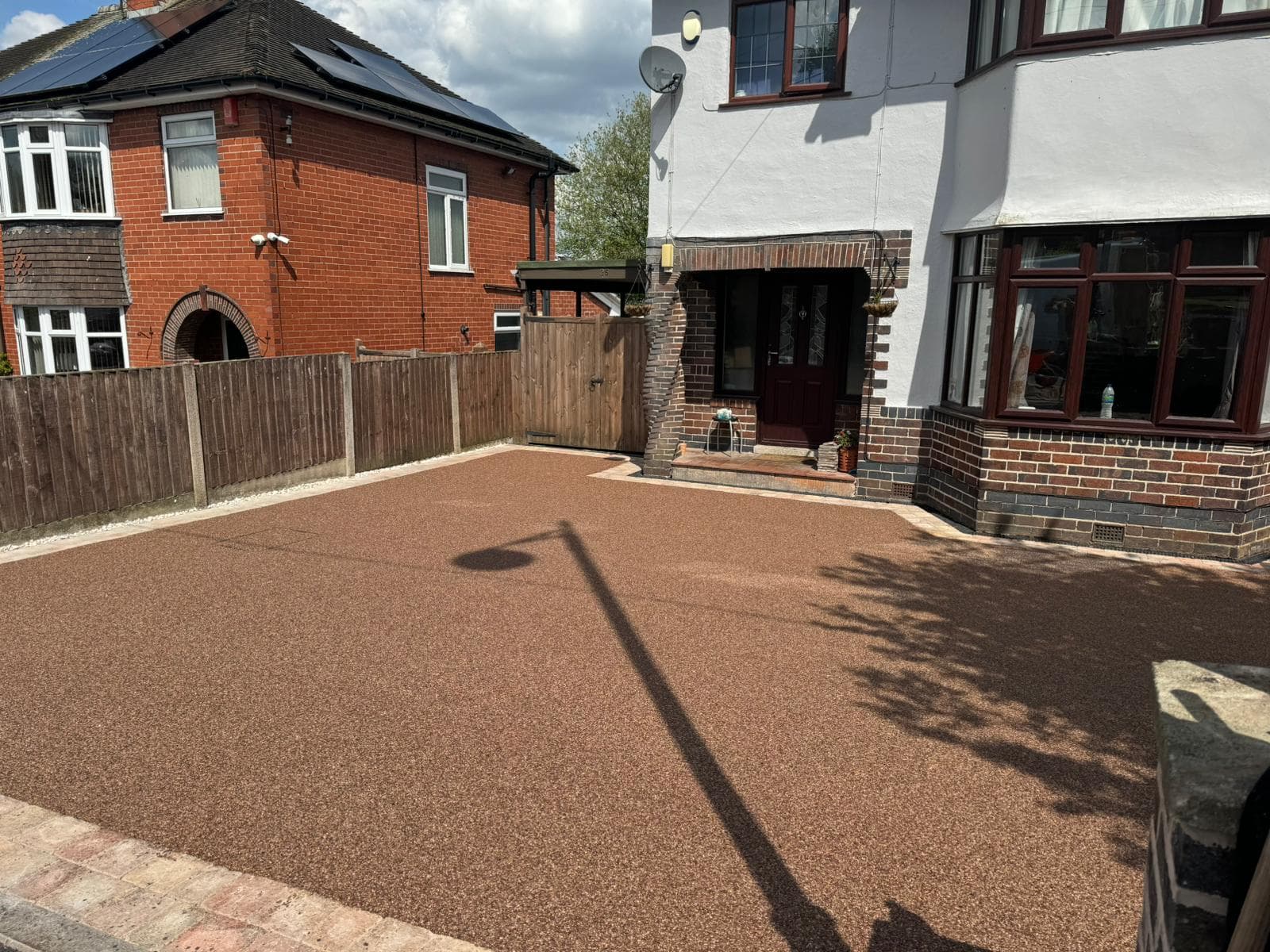
Short answer is usually no, provided the driveway is genuinely permeable or rainwater is managed within your property boundary.
In practice, that means the surface and build-up must allow water to drain away safely, rather than running onto the pavement, road or into public drains. The detail matters, so it is worth understanding how driveway planning permission works before booking the work.
Do you need planning permission for a resin bound driveway?
In most everyday domestic situations, a resin bound driveway will not need planning permission if it is installed as a permeable surface. Government guidance for front gardens in England says you do not need permission for a new or replacement driveway of any size where permeable surfacing is used, or where rainwater is directed to a lawn, border or other porous area within the property. (gov.uk)
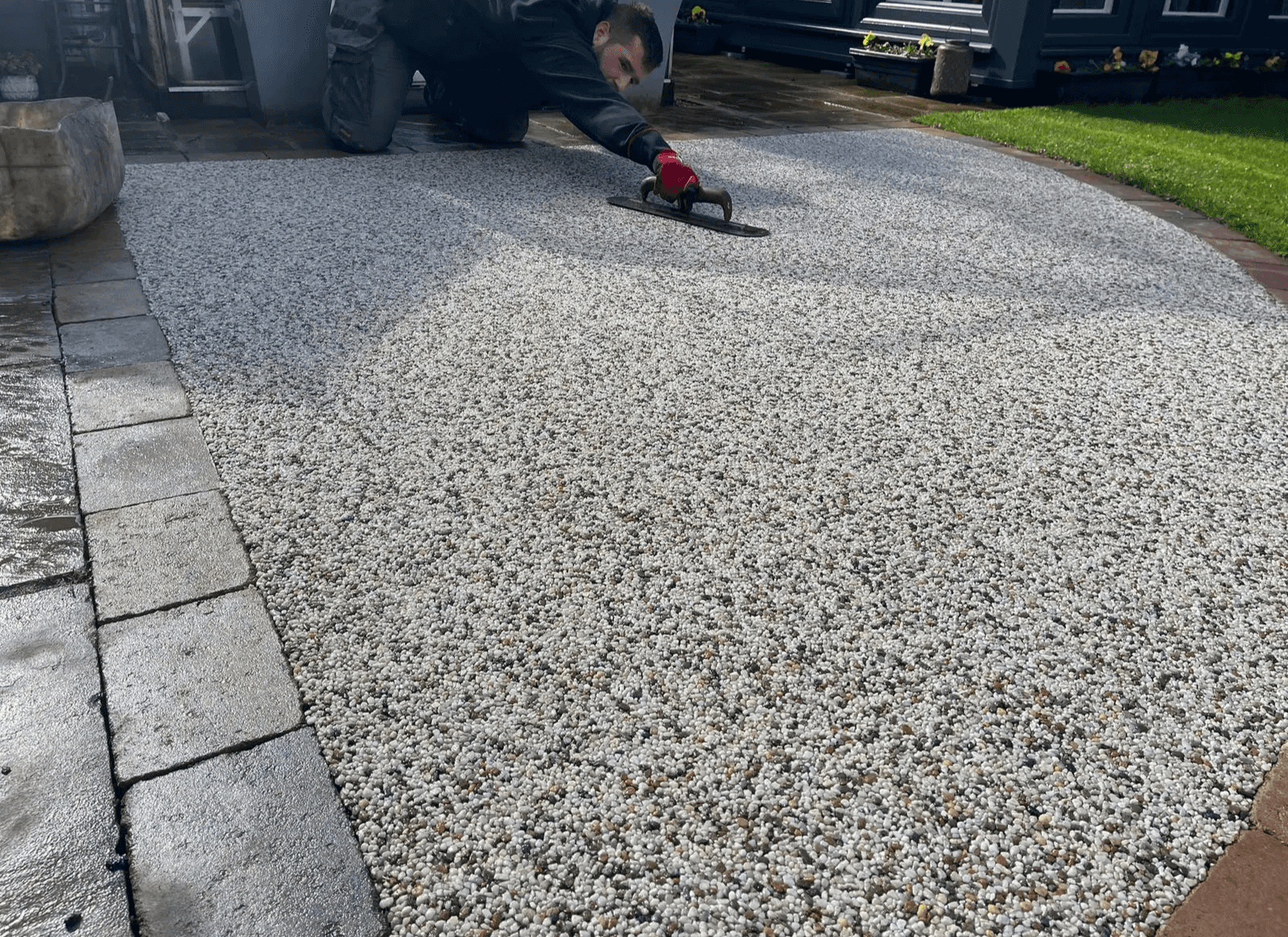
This is why resin bound surfacing is often chosen for front drives. Unlike a solid, sealed surface, a properly installed resin bound system contains small stones mixed with resin, leaving tiny gaps that allow water to pass through. However, permeability depends on the whole construction, not just the decorative top layer. If the base beneath it is not suitable, water may not drain as intended.
The phrase planning permission resin bound driveway can be slightly misleading because the material alone does not decide the answer. What matters is whether the finished driveway complies with permitted development rules, local requirements and drainage expectations.
Why drainage is the key issue
The rules around front garden paving changed because large areas of hard surfacing can increase surface water run-off. When rainwater cannot soak naturally into the ground, it may flow into roads, drains and neighbouring land, adding pressure during heavy rainfall. Since 1 October 2008, permitted development rights for paving front gardens in England have been linked to permeability and run-off control. (gov.uk)
For homeowners, this means the planning question is less about appearance and more about water behaviour. A smart-looking driveway may still cause problems if it sends rainwater towards the highway. Equally, a well-designed surface can often meet the rules without a full planning application.
A compliant design will usually consider:
The surface material – resin bound, gravel and permeable block paving can allow water through when specified correctly.
The sub-base – the layers underneath must be able to store and disperse water, not trap it.
The direction of fall – any slope should not send water onto the pavement or road.
Soil conditions – heavy clay may drain differently from sandy or gravelly ground.
Existing drainage – channels, soakaways, borders or rain gardens may be needed in some layouts.
Before agreeing to a quote, ask the installer how the driveway will deal with rainfall. A credible answer should cover the base construction and drainage route, not simply say the surface is “porous”.
When permission may still be needed
Resin bound driveway planning permission may still become relevant if the installation falls outside normal permitted development conditions. This is most likely where the surface is not permeable, the area is over five square metres and rainwater is not directed to a suitable permeable area within your property. Government technical guidance confirms that hard surfaces forward of a house must either be porous or direct run-off to a porous area within the home’s curtilage. (gov.uk)
You should also be cautious if your home is listed, in a conservation area, subject to planning conditions, or has had permitted development rights removed. Flats, maisonettes and some converted properties may not have the same rights as a typical house. Local councils can also have area-specific guidance, so checking before work starts is sensible.
Permission may be required or further checks may be needed if:
You are using a non-permeable surface and the paved front garden area exceeds five square metres.
Water will run onto the pavement or road instead of draining within your land.
A dropped kerb is required to create vehicle access across the pavement.
The property has restrictions, such as listed status, conservation area controls or planning conditions.
The work affects visibility, trees, walls or boundaries in a way your council may need to review.
A dropped kerb is a separate matter from the driveway surface itself. Even if the resin bound driveway does not need planning permission, you may still need consent from the local highway authority before driving across the footway.
Resin bound is not the same as resin bonded
This distinction is easy to miss, but it can affect planning and drainage. Resin bound surfacing mixes aggregate with resin before it is laid, creating a smooth but permeable finish when installed over a suitable base. Resin bonded surfacing is different: resin is applied to a surface and loose stone is scattered on top, often creating a less permeable finish depending on the build-up.
If you are discussing driveway planning permission with an installer or council, use the correct term. Saying “resin driveway” can be too vague, because it may refer to either system. Ask for written confirmation of the specification, including whether the surface is permeable and what base will be used.
This is especially important if you are replacing an older concrete or tarmac drive. A resin bound finish laid over an impermeable existing slab may not perform like a fully permeable driveway unless drainage is addressed properly.
Practical checks before you start
A little preparation can prevent delays, extra costs or awkward questions from the council later. You do not need to become a planning expert, but you should know what your project involves and where the water will go.
Use this simple checklist before approving the work:
Confirm whether the driveway is at the front, side or rear of the property.
Measure whether the new or replacement hardstanding is over five square metres.
Ask whether the whole system is permeable, including the sub-base.
Check that rainwater will remain within your property boundary.
Contact your local council if the property is listed, restricted or in a sensitive area.
Apply separately for a dropped kerb or vehicle crossing if one is needed.
Keep written details of the materials, drainage design and installer’s specification.
If you are unsure, a quick enquiry with your local planning authority is usually better than guessing. Councils are used to questions about driveways and can point you towards local guidance.
A well-planned driveway avoids problems later
For most UK homeowners, a properly installed resin bound driveway is a practical way to improve parking and kerb appeal while staying within permitted development rules. The important point is permeability: the surface, base and drainage design must work together.
If your project uses a genuinely permeable resin bound system, manages run-off within your property and does not trigger any local restrictions, planning permission is unlikely to be needed. If the design is non-permeable, complex or involves a new vehicle crossing, check with your council before work begins. That small step can save time, money and stress once the driveway is finished.
Conclusion
In most cases, you will not need planning permission for a resin bound driveway in the UK as long as the finished driveway is permeable (or run-off is directed to a porous area within your boundary) and you are not affected by specific restrictions such as listed status or removed permitted development rights.
Before work starts, confirm the full build-up is designed for drainage and check whether you need separate approval for a dropped kerb. If anything is unclear, a quick check with your local council can give you peace of mind.