A new driveway can add value to your home, but not always in a simple pound-for-pound way. Its biggest impact is usually on kerb appeal, everyday convenience and how buyers perceive the condition of the property. If the existing driveway is cracked, stained, poorly drained or difficult to use, a well-planned driveway renovation can make the whole home feel better cared for.
Does a new driveway really add value to your home?
Yes, a new driveway can add value to your home when it improves appearance, practicality and first impressions. Buyers often form an opinion before they step inside, so a clean, attractive and easy-to-use driveway can help your property feel more appealing from the outset. However, the level of new driveway value depends on the quality of the work, the local market, the materials used and whether the upgrade solves a real problem.
A driveway is not just a decorative feature. It affects parking, access, drainage, safety and how the front of your home works day to day. A smart finish can make a modest property look more polished, while a neglected driveway can make even a good home feel tired.
That does not mean every homeowner should choose the most expensive option. The best result usually comes from matching the driveway to the property, the neighbourhood and your budget.
Why driveways influence buyer perception
A driveway sits in one of the most visible parts of a home. It frames the entrance, guides visitors towards the front door and often takes up a large part of the frontage. When it looks neat and functions well, it quietly suggests the property has been looked after.
Kerb appeal starts before the viewing
Many buyers decide how they feel about a home within moments of arriving. A damaged, uneven or weed-filled driveway can create doubt, even if the interior is in excellent condition. It may make buyers wonder what else has been neglected.
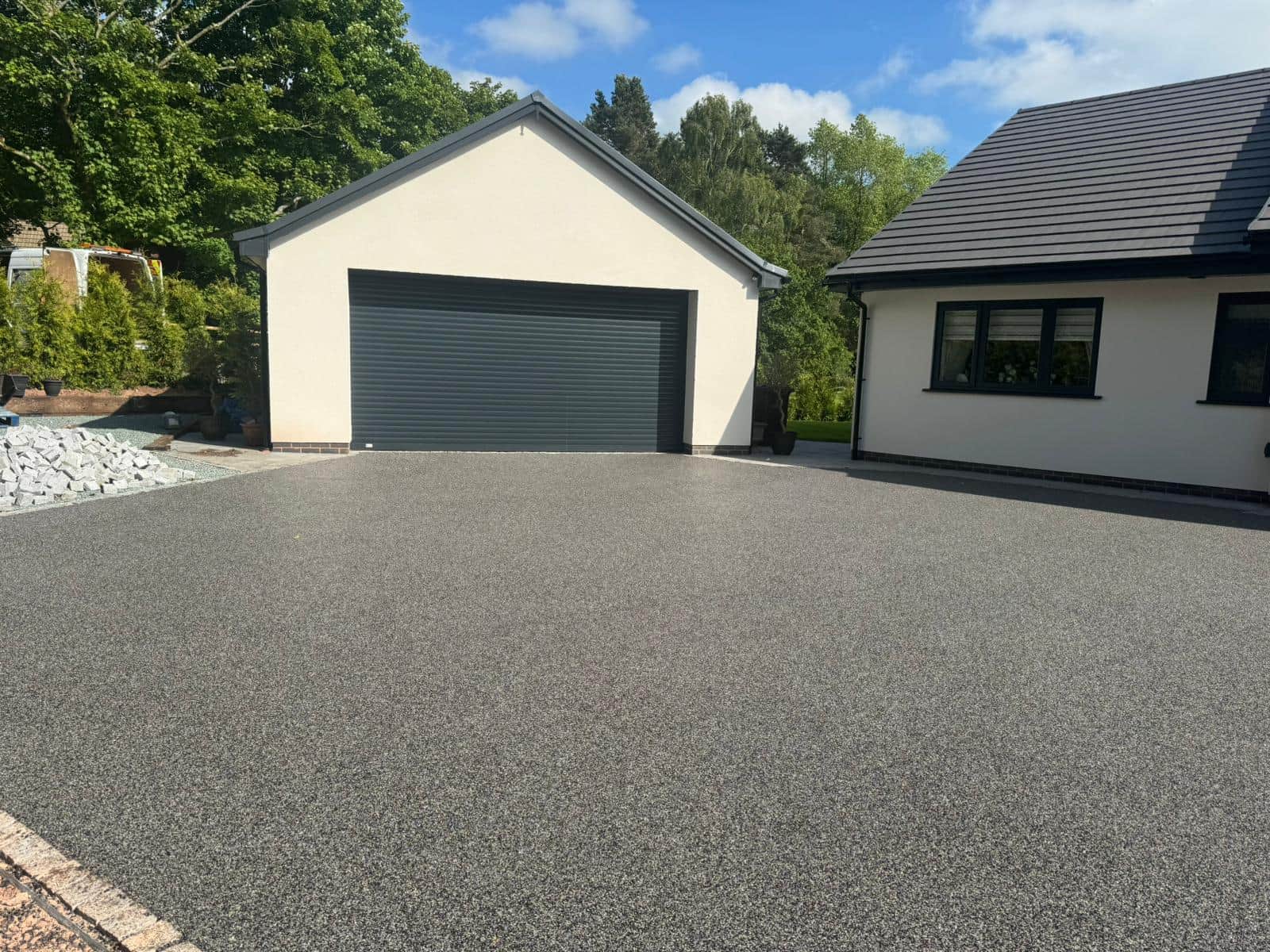
A fresh driveway, by contrast, creates order. Straight edges, clean surfacing, appropriate landscaping and tidy boundaries can make the property look more complete. This does not guarantee a higher sale price, but it can encourage stronger interest and a more positive viewing experience.
Practical parking matters
Off-street parking is a real advantage for many households. If your driveway is too narrow, awkward to access or in poor condition, it may not be serving its full purpose. A driveway renovation can improve the layout, create more usable space and make daily parking easier.
For families, commuters or homes on busy roads, convenience can be just as persuasive as appearance. If buyers can immediately see where their cars, bikes or visitors will go, that removes a small but meaningful concern.
What affects new driveway value?
The value added by a new driveway depends on how much the upgrade improves the property as a whole. A driveway that is attractive but impractical may not deliver the same benefit as one that looks good, drains properly and makes access easier.
The condition of the existing driveway
If your current driveway is already tidy and functional, replacing it may offer limited additional value. In that case, cleaning, sealing, repairing edges or improving planting may be enough.
If the surface is cracked, sunken, slippery or full of weeds, a replacement can have a much stronger effect. It can remove an obvious visual flaw and reassure buyers that they will not need to tackle the work soon after moving in.
The material you choose
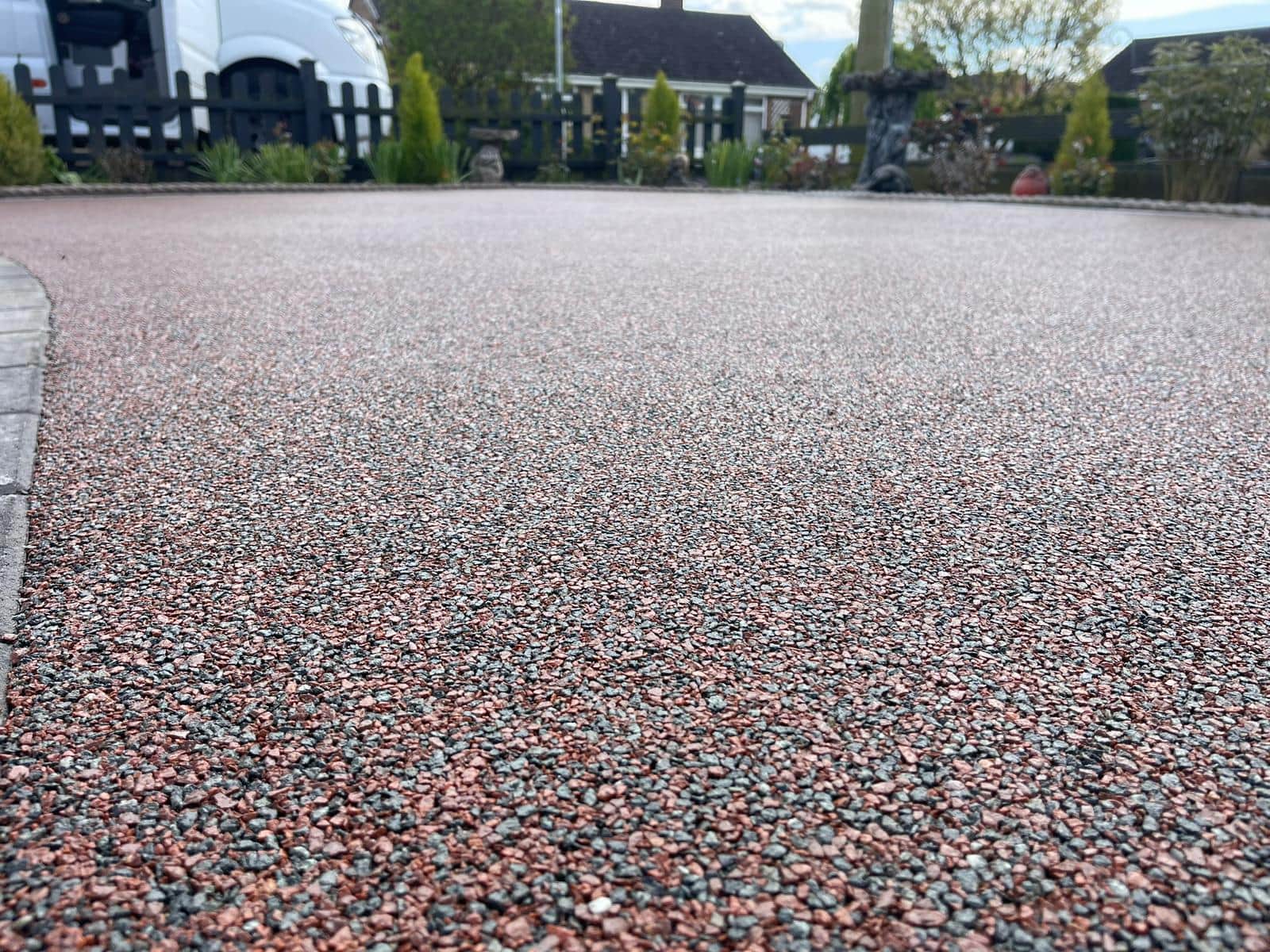
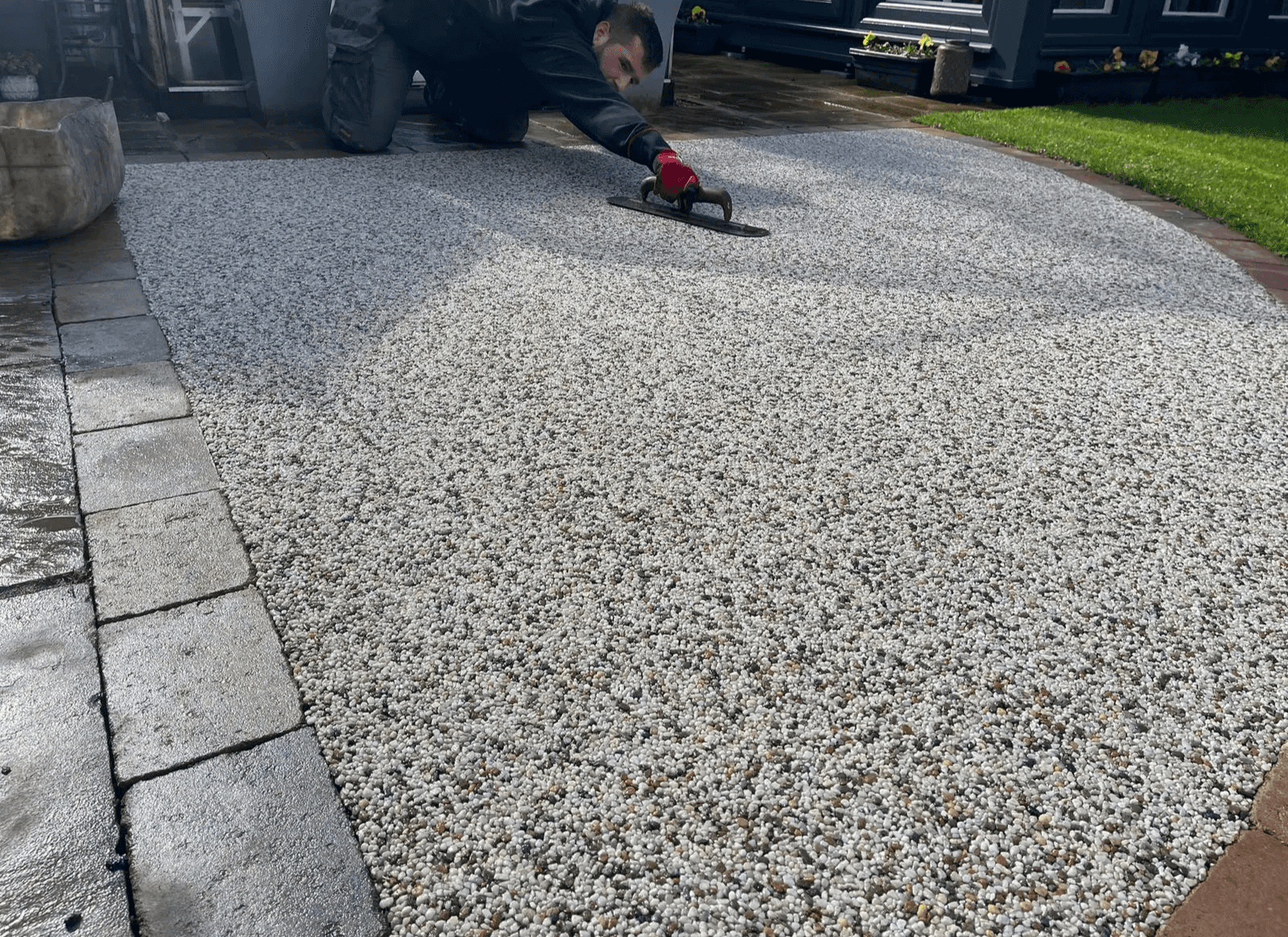
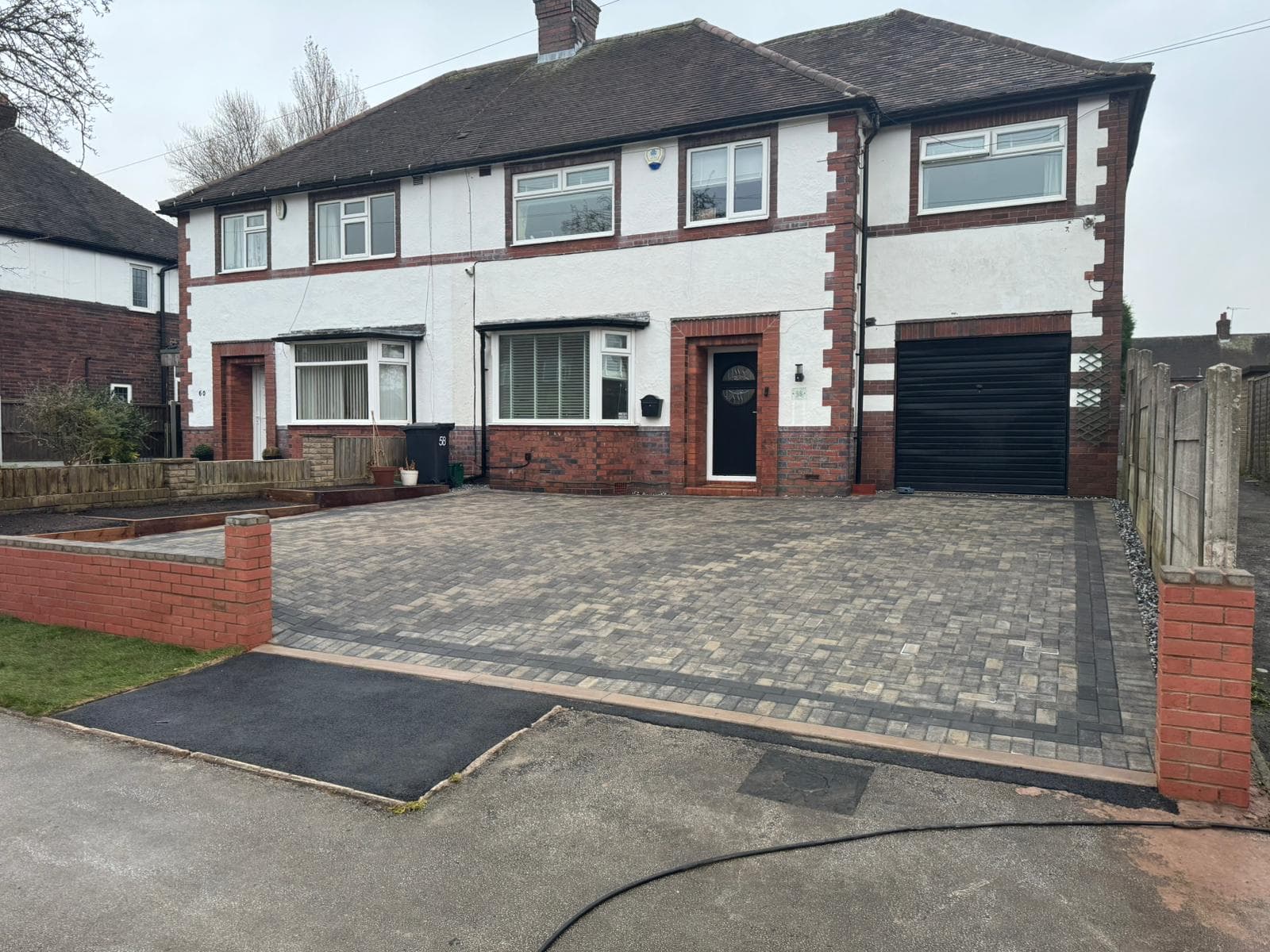
Different driveway materials create different impressions. Gravel can suit rural or traditional homes, while block paving often offers a neat, versatile look. Resin-bound surfaces can feel contemporary, and tarmac may be practical for larger areas.
The right choice is not always the most premium one. It should suit the house style, expected maintenance level and how the driveway will be used. A surface that looks out of place or cannot cope with daily wear may reduce the benefit of the investment.
Drainage and workmanship
Good drainage is essential. A driveway that holds puddles, directs water towards the house or creates run-off problems can become a liability. Proper preparation, levels, sub-base and edging matter just as much as the visible finish.
This is where workmanship has a major influence. A cheaper installation may look acceptable at first, but poor preparation can lead to movement, dips or premature wear. Buyers may not know the technical details, but they will notice unevenness, staining and standing water.
When is driveway renovation worth it?
Driveway renovation is worth considering when the current surface harms the look, safety or usability of your home. It can also make sense before selling if the front of the property feels noticeably weaker than the interior. The key is to spend in proportion to the home rather than over-improving for the area.
If you are staying in the property, the decision is not only about resale value. A new driveway can make daily life easier, reduce maintenance and improve how you feel when you arrive home. Those benefits are harder to measure, but they still matter.
Signs your driveway may be holding the property back
A new driveway may be a sensible investment if you notice:
Cracks, potholes or loose areas that make the surface look neglected or unsafe.
Poor drainage with puddles, moss or water running towards the house.
Insufficient parking space where a better layout could improve everyday use.
Uneven levels that make access difficult for cars, pushchairs or visitors.
Weeds and crumbling edges that make the frontage look untidy.
A style mismatch where the driveway looks out of keeping with the home.
Not every issue requires full replacement. Sometimes targeted repairs, cleaning or new edging can provide a noticeable improvement at a lower driveway cost.
Understanding driveway cost without overspending
Driveway cost varies because every site is different. Size, surface material, excavation, drainage, access, waste removal and labour all affect the final price. Rather than focusing only on the cheapest quote, it is wiser to understand what is included and whether the work will last.
What typically affects the budget
The biggest cost factors usually include:
Preparation work – Removing the old surface, levelling the area and building a suitable base can take time, but it is vital.
Surface choice – Materials differ in price, appearance, maintenance and installation method.
Drainage requirements – Proper water management may require channels, permeable materials or changes to levels.
Driveway size and shape – Larger or more complex layouts need more labour and materials.
Finishing details – Edging, steps, borders, lighting and landscaping can lift the result but add to the budget.
A well-planned mid-range driveway often delivers better value than an expensive finish installed without proper preparation. The goal is not simply to spend more; it is to spend where it makes a visible and practical difference.
Balancing cost with likely return
If you plan to sell soon, think about what buyers will see and value. A complete replacement may be worthwhile if the driveway is a major flaw. If it is only slightly tired, a smaller refresh may be more sensible.
If you plan to stay for several years, you can weigh resale potential alongside personal use. Better parking, less maintenance and a safer surface can justify the investment even if the financial return is not exact.
How to maximise the impact of a new driveway
A new driveway works best when it feels integrated with the rest of the property. The surface, borders, planting and entrance should look like they belong together. Small design choices can make a large difference to the finished effect.
Keep the design proportionate
Choose a finish that suits the scale and character of your home. A highly decorative surface may feel excessive on a simple property, while a very plain finish might undersell a more distinctive home. Look at nearby properties for context, but avoid copying a style that does not suit your own frontage.
Plan the layout around real life
Think about how the driveway is actually used. Can doors open comfortably? Is there space to turn? Will bins, bicycles or visitors need access? A good layout should make daily routines easier, not just look smart in photographs.
Do not ignore maintenance
Every driveway needs some care. Gravel may need occasional raking and topping up, block paving may need weed control, and some surfaces benefit from periodic cleaning. Before choosing a material, be honest about how much maintenance you are willing to do.
Common mistakes to avoid
A driveway upgrade can be highly effective, but rushed decisions can limit the benefit. Avoid choosing purely on appearance without considering drainage, durability and long-term upkeep.
Be cautious of quotes that seem unusually low without a clear explanation. If preparation, waste removal or drainage are vague, the finished driveway may not perform well. It is also worth checking whether any permissions, local rules or surface water requirements apply before work begins.
Finally, do not treat the driveway in isolation. A smart new surface next to broken fencing, overgrown borders or poor exterior lighting may not achieve its full effect. Simple finishing touches can help the whole frontage feel more considered.
Conclusion
So, Does a New Driveway Add Value to Your Home? In many cases, yes — especially when it improves kerb appeal, parking, drainage and the overall impression of care. The strongest new driveway value comes from a practical, well-built design that suits the property rather than the most expensive option available.
Before starting a driveway renovation, look carefully at the condition of your current surface, the needs of your household and the likely driveway cost. If the project solves clear problems and enhances the front of your home, it can be a worthwhile investment both for everyday living and future resale appeal.